
Dragon Age: The Veilguard — Final Reflection
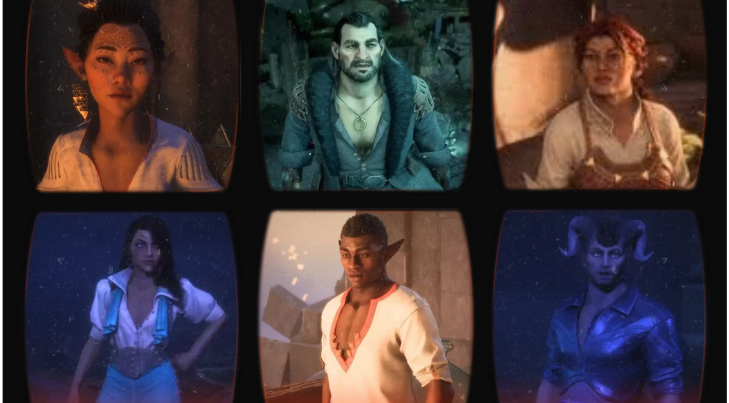
The V in Veilguard is for deep V-necks.
After the last post about DAV, I honestly thought I was done talking about this game. But something didn’t sit right with me. As much as I enjoy thoughtful analysis (often at the risk of overthinking), I don’t enjoy coming across as overly negative on a topic. Yes, there were elements of the game that disappointed me, but much of that stemmed from a lack of meaningful connection to the games that came before, as well as ideas that didn’t quite reach their full potential due to constant turnaround and changes.
That said, there are still elements worth celebrating. And unlike Part 1 of this analysis, I’m including full spoilers here.
Best Romance
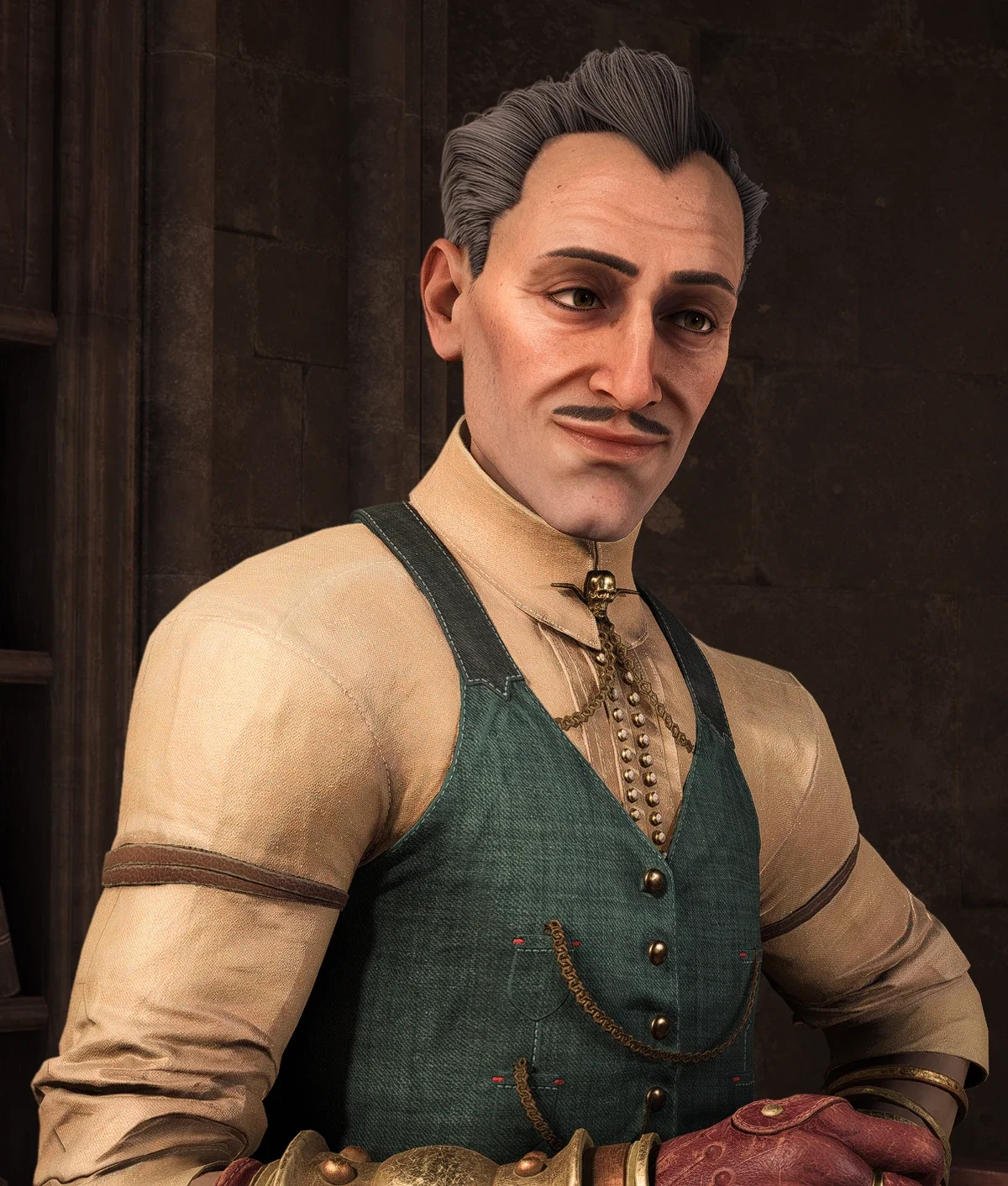
“Hello there, darling.”
Emmrich Volkarin, the distinguished necromancer, is hands down the best-written romance in DAV, with a storyline and depth that could easily fit alongside previous Dragon Age entries. The fact that Emmrich’s romance includes additional content exclusive to that path, along with a compelling internal conflict, only highlights how uneven the character writing can feel elsewhere in the game.
So, a well-deserved shoutout to Sylvia Feketekuty for creating a standout arc before her departure from BioWare.
Additionally, while every companion in DAV has a “chosen pathway” that comes down to two options, Emmrich’s is the only one that truly feels life-altering (pun intended). It’s one of the few moments where I genuinely paused to consider what future would be best for him, and more importantly, that choice carries meaningful consequences for a romanced Rook as well.
In that sense, Emmrich’s romance captures what made earlier Dragon Age companions so memorable: replayability and the ripple effect of decisions.
Honorable Mention
Another romance worth noting is Neve. Admittedly, Neve is not my favorite character. Throughout DAV, it felt as though Neve was more of the main character than Rook. While we as players are limited in the interactions we can have with the rest of the team, we are constantly eavesdropping or interrupting scenes where Neve is bonding with the other members of the Veilguard. I also wasn’t a fan of the noir detective vibe they were going with her character design, which often came off as unnatural posturing. And it probably didn’t help that in my first playthrough as a Shadow Dragon mage, it felt as though Neve was condescending rather than treating Rook as a valued comrade even though they shared a background.
So yes, I had a bit of a chip on my shoulder when it came to Neve. But eventually, I decided to give her storyline a fair chance and went in with the intent to romance her. In doing so, I was able to see more of the vulnerability behind the facade she puts up. Also, the writing for the romantic interactions for Neve did feel more flirty and emotionally charged than some of the other characters. So while Neve still isn’t my favorite character, I am glad I took the time to delve deeper in to her story.
Favorite Romance
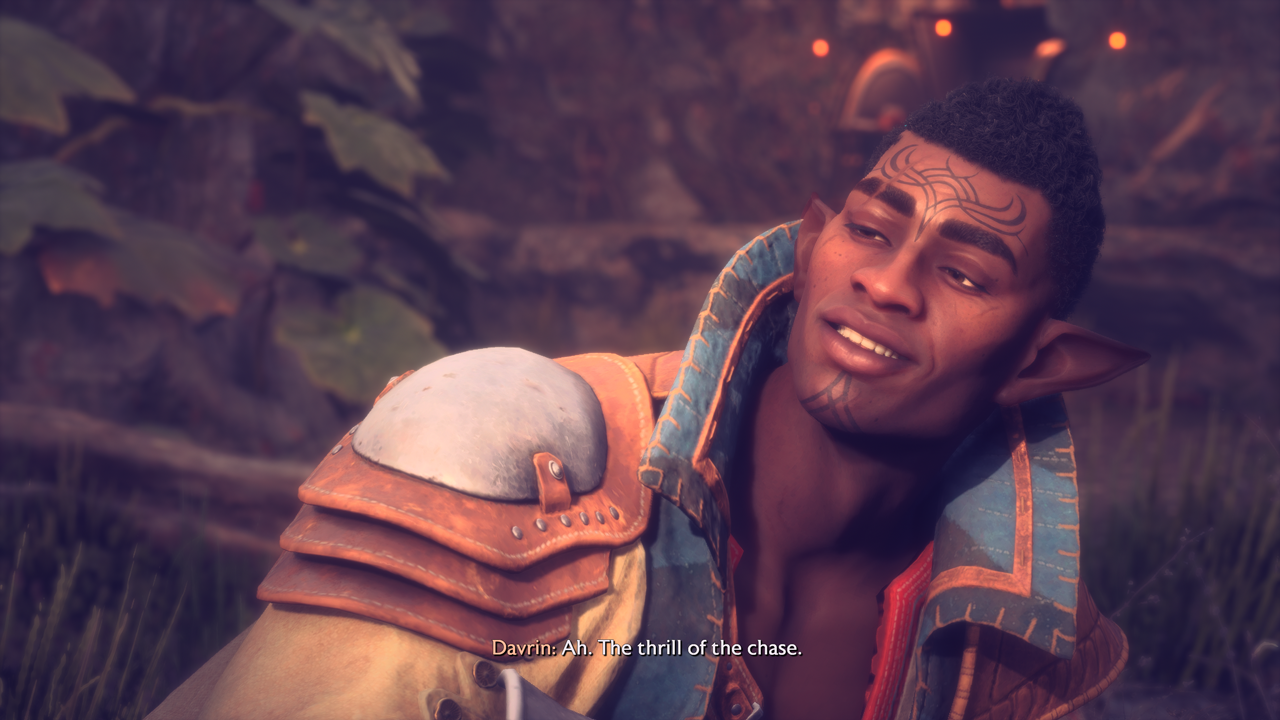
The game literally calls him “Griffon Daddy.”
While Emmrich may have the strongest writing, Davrin remains my personal favorite. As a Grey Warden, he embodies a compelling mix of traits: skilled fighter, monster hunter, reluctant father figure, and aspiring author. Plus he has an adorable animal companion in Assan.
Unlike Taash, Davrin feels like a more grounded example of someone navigating two cultural identities between his Dalish roots and his role within the more secular Grey Wardens.
My only real complaint is the lack of additional content for his romance. There aren’t unique scenes or expanded moments, leaving players with just a few added lines within interactions that already exist for an unromanced Rook. It makes the romance feel more like a variation rather than a fully developed path.
Best Factions
As mentioned in a previous post, DAV would have greatly benefited from an Origins-style prologue where each faction had its own opening mission for Rook and Varric. That kind of introduction would have given players, both new and returning, a clearer understanding of each faction’s identity and stakes.
Instead, we’re given brief summaries of how Rook and Varric met, all of which conveniently involve Rook being asked to “take a break” from their faction. From there, players are left to piece things together as they go. Once again, the uneven writing affects how effective each faction feels.
The Grey Wardens stand out the most, largely because they already have a strong foundation from previous games. Choosing this faction offers some of the most unique dialogue options and ties Rook more directly to the central conflict. There are even a few minor quests where Grey Warden choices lead to different outcomes, which is something I wish had been more consistently applied across all factions. More importantly, this is the one faction where I actually felt like part of the group rather than an outsider being spoken to from the sidelines. (In that regard, the Shadow Dragons and Veil Jumpers could have taken notes.)
An honorable mention goes to the Mourn Watch. While somewhat disconnected from the main narrative, both literally and thematically, the faction makes up for it with atmosphere and personality. The Grand Necropolis feels distinct and immersive, and being part of the Mourn Watch unlocks several unique dialogue options that give Rook more of a defined identity and backstory.
Best Class
This is one I go back and forth on.
My first playthrough was as a Shadow Dragon mage. While the faction left something to be desired, playing as a mage felt like the most intuitive class to pick up. The spellcasting animations even had a slightly theatrical flair, which were almost reminiscent of a Sailor Moon transformation.
Warrior was solid, though not my preferred playstyle. That said, I did enjoy the unintentional Captain America experience of shield-throwing my way through most encounters. The downside was party balance. I tend to bring Taash and/or Davrin, so running three warriors wasn’t always ideal.
Rogue took longer to click for me. I wasn’t particularly drawn to the duelist style, but once I leaned into the archery skillset and unlocked more abilities, it quickly became my favorite. It was also the class where I put the most thought into skill progression, something I hadn’t done to that extent since Baldur’s Gate 3.
Best Location
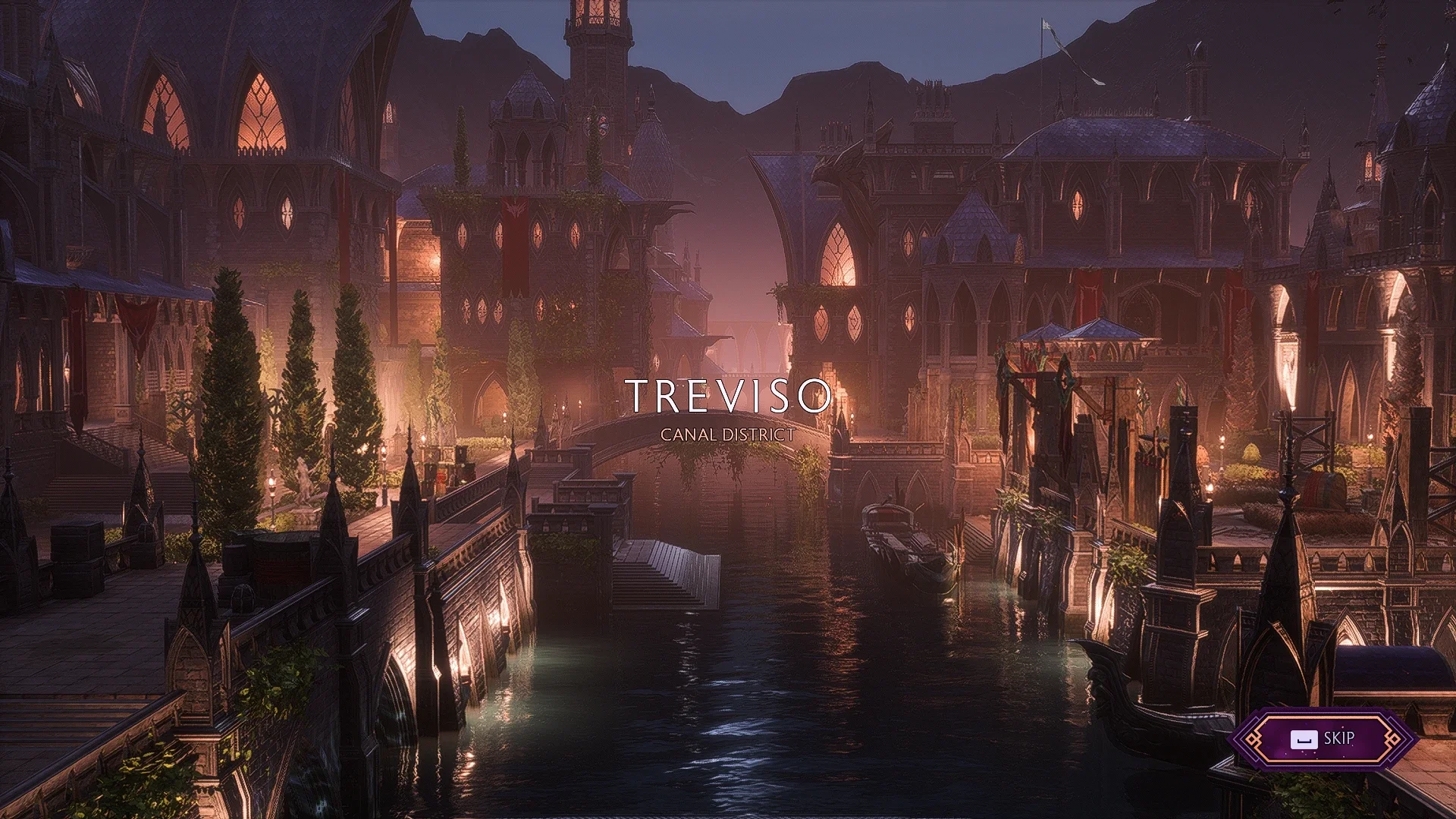
Treviso is easily one of the most visually striking locations in the game. With its ziplines, elegant architecture, and moonlit canals, it feels vibrant and alive despite the shadow of Antaam occupation lingering throughout the city.
I’d also like to give a shoutout to a much smaller location: the pottery storage room in Dock Town. Tucked away near the northern market, it became an unexpectedly reliable place for Rook to blow off steam by smashing all the inventory, allowing them to easily gather items to sell for faction points. Since the room resets quickly, it’s possible to revisit it multiple times, which led me to imagine a very tired potter endlessly restocking shelves only for them to be destroyed again moments later.
Best NPCs
This is where DAV truly shines in smaller, more focused moments.
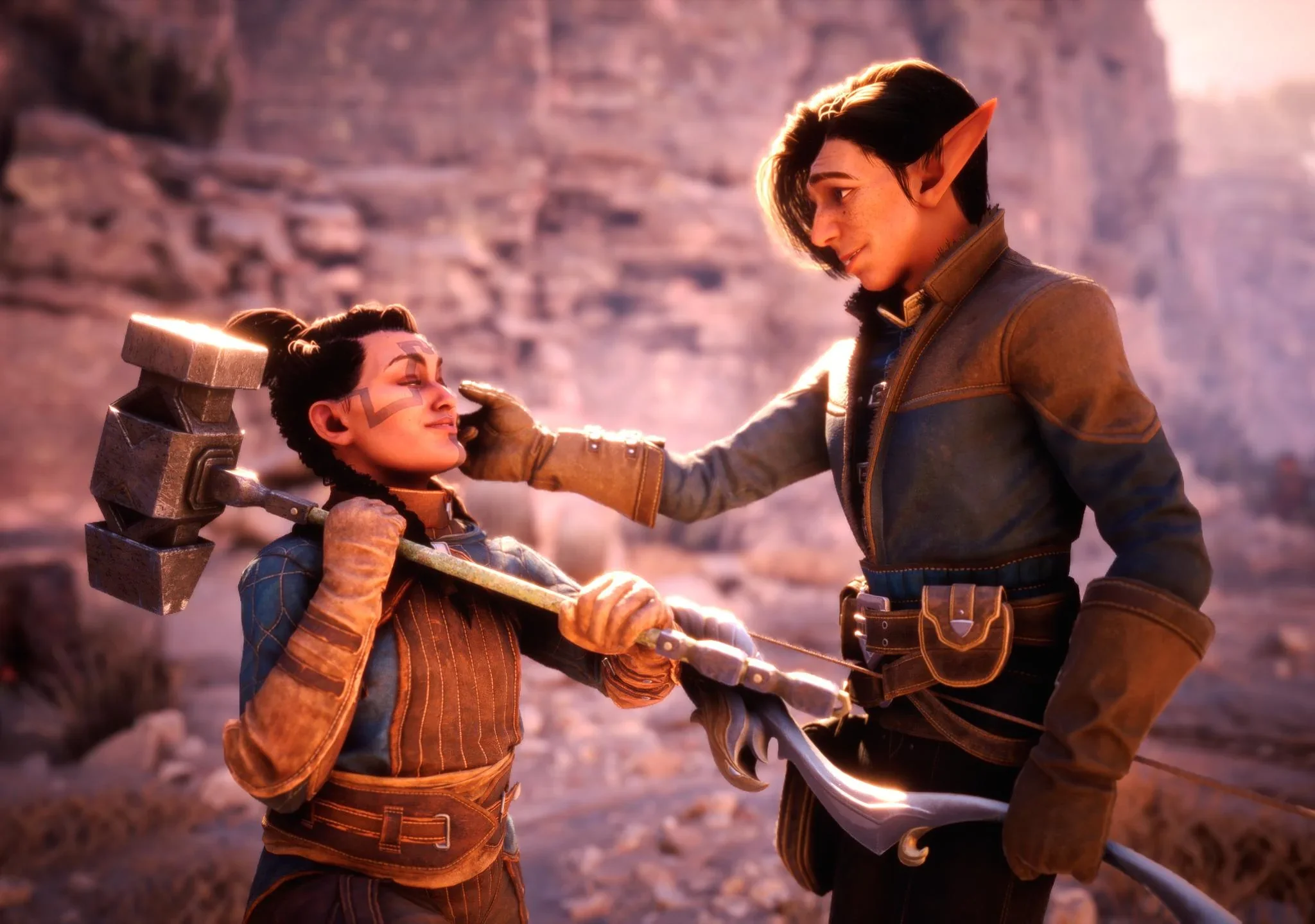
Relationship goals
Antoine and Evka are easily the standout NPCs. As Grey Wardens willing to question authority and stand by what’s right, they feel like reliable allies. Their dialogue, particularly with a Grey Warden Rook, flows in a way that feels relatable and natural.
Honestly, if I had to name the best romance in the game, it might be theirs (sorry, Emmrich). As individuals, they have unique personalities and strengths. As a couple, they’re unstoppable. The relationship between Antoine and Evka is built on trust, respect, and genuine affection. It’s one of the most believable and inspiring relationship dynamics in the entire game.
For anyone interested, I highly recommend the short story Hunger by Brianne Battye from Tevinter Nights, which explores their origins and the mission that first brought them together.
For an honorable mention, Tarquin is another character I wish had been given more room to develop. A disillusioned former Templar secretly working with the Shadow Dragons, he hints at a much richer story beneath the surface. There are glimpses of deeper connections, especially depending on your Rook’s background, but it never quite expands as much as it could have. Tarquin feels like a character who deserved a larger role.
Best Returning Character
In my first playthrough, I used my Inquisitor Trevelyan who romanced Dorian, hoping that the Tevinter setting would naturally lead to more meaningful interactions between them. Technically, there are a few unique lines near the end, along with the codex letter for a romanced Inquisitor. But overall, their connection feels underutilized. By that point, the Inquisitor has already been in Dock Town multiple times, and it’s hard to believe he wouldn’t have visited Dorian sooner.
Still, among the returning characters, Dorian makes the most sense. His presence ties into the setting and provides at least a small thread connecting Veilguard to earlier entries. Even if it ultimately feels like a missed opportunity for something more substantial.
Best Mission
This likely comes as no surprise: the Siege of Weisshaupt is my favorite mission. The Grey Wardens win another category.
It’s the first moment where the game fully comes together, featuring cinematic cutscenes, rising tension, meaningful interaction choices, and a growing sense of dread as events unfold. It felt like the kind of storytelling moment I had been waiting for. I do wish we had more opportunities to explore the legendary headquarters that returning players had heard about for years, which would include more substantial connections to earlier DA characters and events. But it was still an engaging experience throughout the battle.
I also highly recommend you bring Lucanis along as the second companion for hilarious dialogue and one of my favorites lines in the entire game.
Best Ending
This one is fairly straightforward.
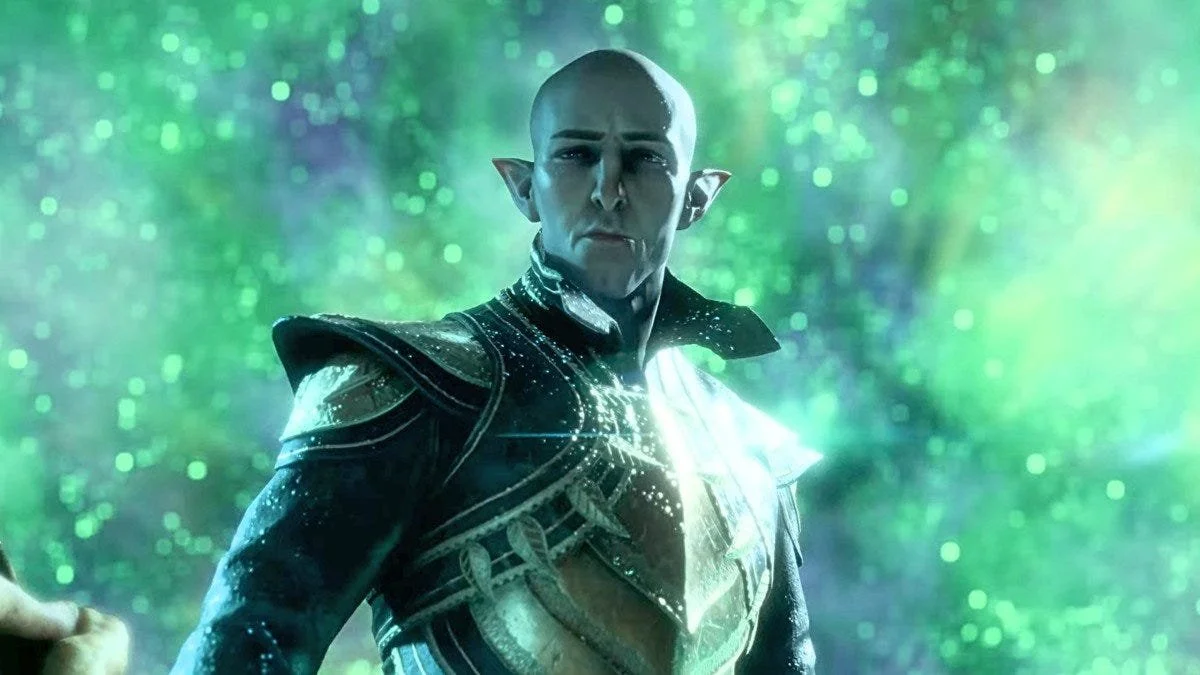
Punching him was so satisfying. Sorry, Solasmancers.
In my first playthrough, I leaned toward a more forgiving approach with Solas, but the result felt hollow. The most satisfying conclusion, for me, was confronting him directly, punching the Dread Wolf in his smug face, and trapping him in the Fade through deception.
There’s also a lesser-known variation worth mentioning. During the Ghilanain mission, choosing to send Bellara or Neve to remove the wards results in them being captured and used as a Blight conduit in the final battle.
This becomes especially impactful if you are romancing either character. In that version of the story, Rook’s emotional state shifts noticeably after escaping the Fade prison, and the usual romance scene is removed entirely. Instead, the relationship is carried into the final battle itself, culminating in an alternate version of the romance scene before the credits if they survive.
It adds a level of emotional weight that feels far more in line with the stakes of the story.
Final Thoughts
In the end, DAV is a mix of strong ideas and uneven execution. It’s an entertaining RPG, but it doesn’t quite hold together as a Dragon Age game in the way its predecessors did. Still, this series of posts has been a rewarding way to unpack those contradictions, by examining the moments that worked and the ones that fell short. It’s a game that sparks discussion, and in that sense, it’s given me plenty to analyze.
If you’d like to explore more of my thoughts on Dragon Age: The Veilguard, you can continue the series here:
You can also find additional character analysis and story discussions under Inspiration.
Images are used under fair use for commentary and analysis. All copyrights remain with their original owners.
