
Dragon Age: The Veilguard — The Story Change That Could Have Made All the Difference
Spoiler warning for Dragon Age: The Veilguard ! If you’re still playing, come back later.
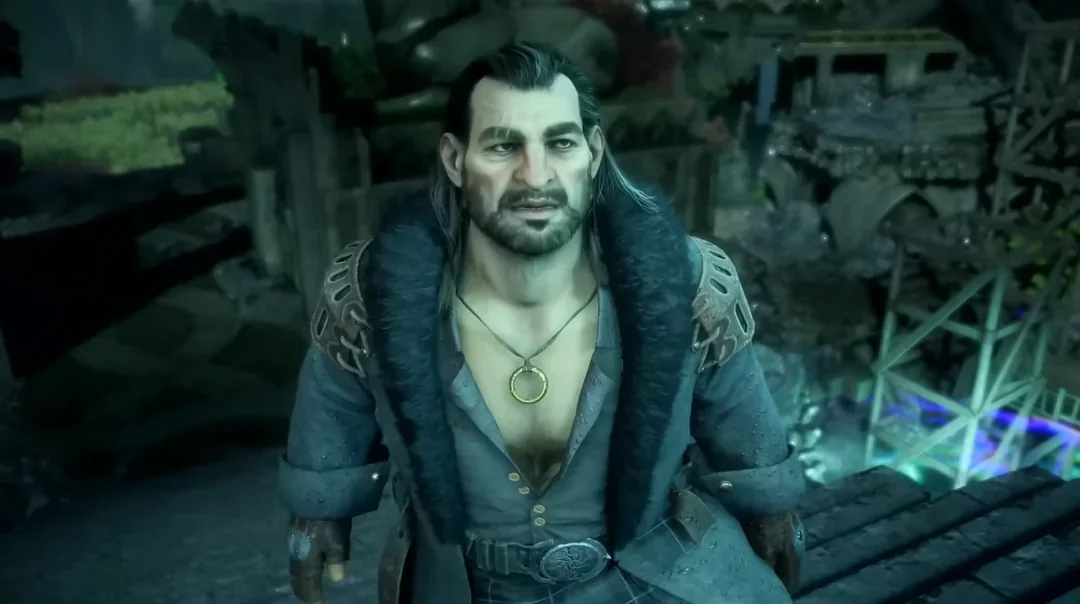
“Why am I even here? Didn’t I become a Viscount?”
Okay, full disclosure, the title is slightly misleading. Technically, it’s two story changes that would have made a marked difference in Dragon Age: The Veilguard’s narrative, but I’m calling it one because they both revolve around the same thing:
Varric.
Specifically, how Varric was handled.
For those who don’t know Varric Tethras…why are you reading this? Seriously, go play Dragon Age II, then Inquisition, and yes, play Veilguard so you can fully appreciate what I’m about to get into. I’ll see you in a couple of months. It’ll be worth it.
For everyone else, I’m going to assume you already understand exactly why Varric matters. Within Dragon Age, Varric is a reliable fan-favorite companion in both DA2 and Inquisition. Charming and loyal. A rogue and a storyteller. Ready to hand out nicknames and life advice even as he insists he’s not getting too involved. He’s the kind of character players naturally gravitate toward, which makes it understandable why the developers would want to include him in Veilguard. But the way they chose to handle his character arc ultimately weakens the entire story.
The Premise
At its core, Veilguard opens with a compelling setup. Varric has recruited Rook to help track down and stop his former companion Solas, now revealed as the Dread Wolf, an ancient eleven mage with god-like abilities who is determined to restore the elves to their former glory, even if it means destroying the current world in the process. The emotional framing of this mission leans heavily on Varric wanting to save “his old friend” from making a terrible mistake. While that idea works on the surface, it begins to fall apart when you look more closely at their relationship.
A Weak Emotional Core
The problem is…Solas was never really that close of a friend to Varric.
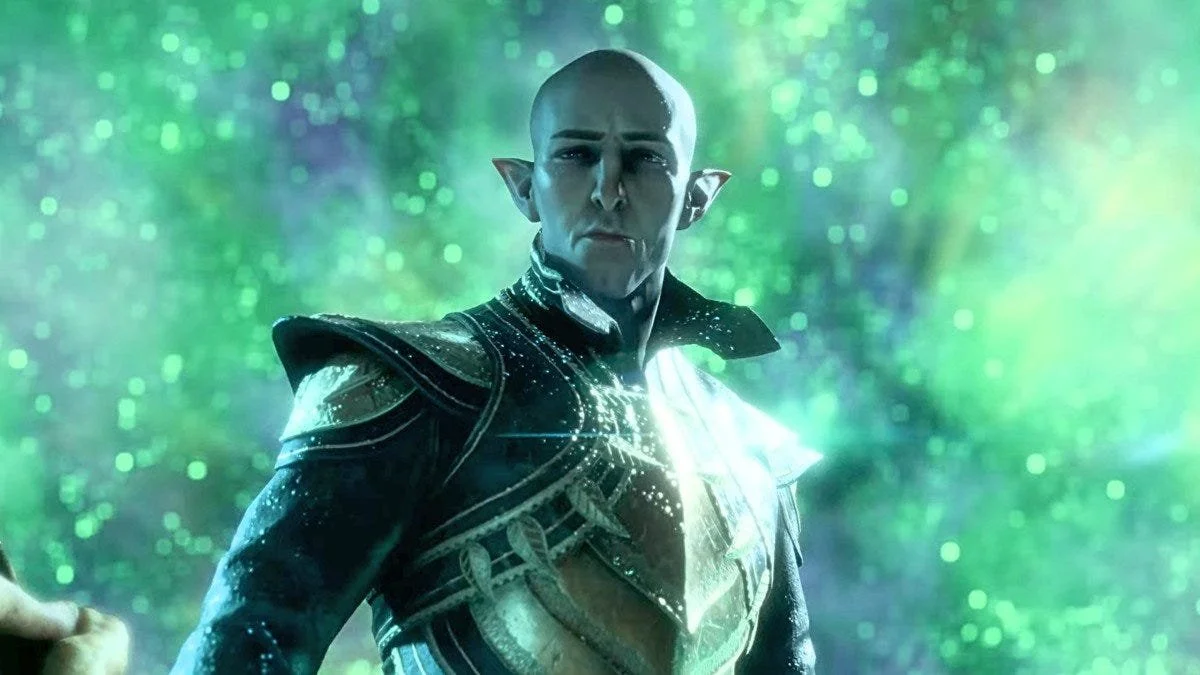
“I suspect you have some questions…wait, Varric? Was everyone else in the Inquisition busy?”
For returning players, the dynamic between Varric and Solas was never particularly deep. They often found themselves on opposing sides of moral decisions, most notably in their perspectives on how to handle Cole, a companion in Inquisition trying to choose between humanity or a spiritual state. While shared trauma can create bonds, the reality is that Varric’s closest relationships were with Hawke and the companions from DA2, which were connections built over years, not months. We can also assume that Varric remains close to the Inquisitor over the past ten years since he was the one entrusted with this mission.
By comparison, Varric and Solas knew each other briefly and didn’t always see eye to eye. Yet, the game asks players to accept a level of emotional attachment that wasn’t fully earned in previous installments. It ends up feeling less like chasing down a close friend and more like being asked to track down a difficult former coworker you worked with years ago.
And this becomes even more noticeable when we consider how Rook is introduced.
The Problem with Rook
Veilguard drops players directly into the action. Varric, Rook, and Harding arrive in Minrathous with the goal of stopping Solas as the Veil begins to tear and demons spill into the world. It’s an exciting opening, but it lacks the narrative groundwork needed to make the moment land emotionally.
Rook, as a character, feels underdeveloped from the start. Players choose a class, faction, and background, but those choices are reduced to a few paragraphs in the character creator and occasional lines of dialogue. There’s very little time spent establishing who Rook is or why they matter.
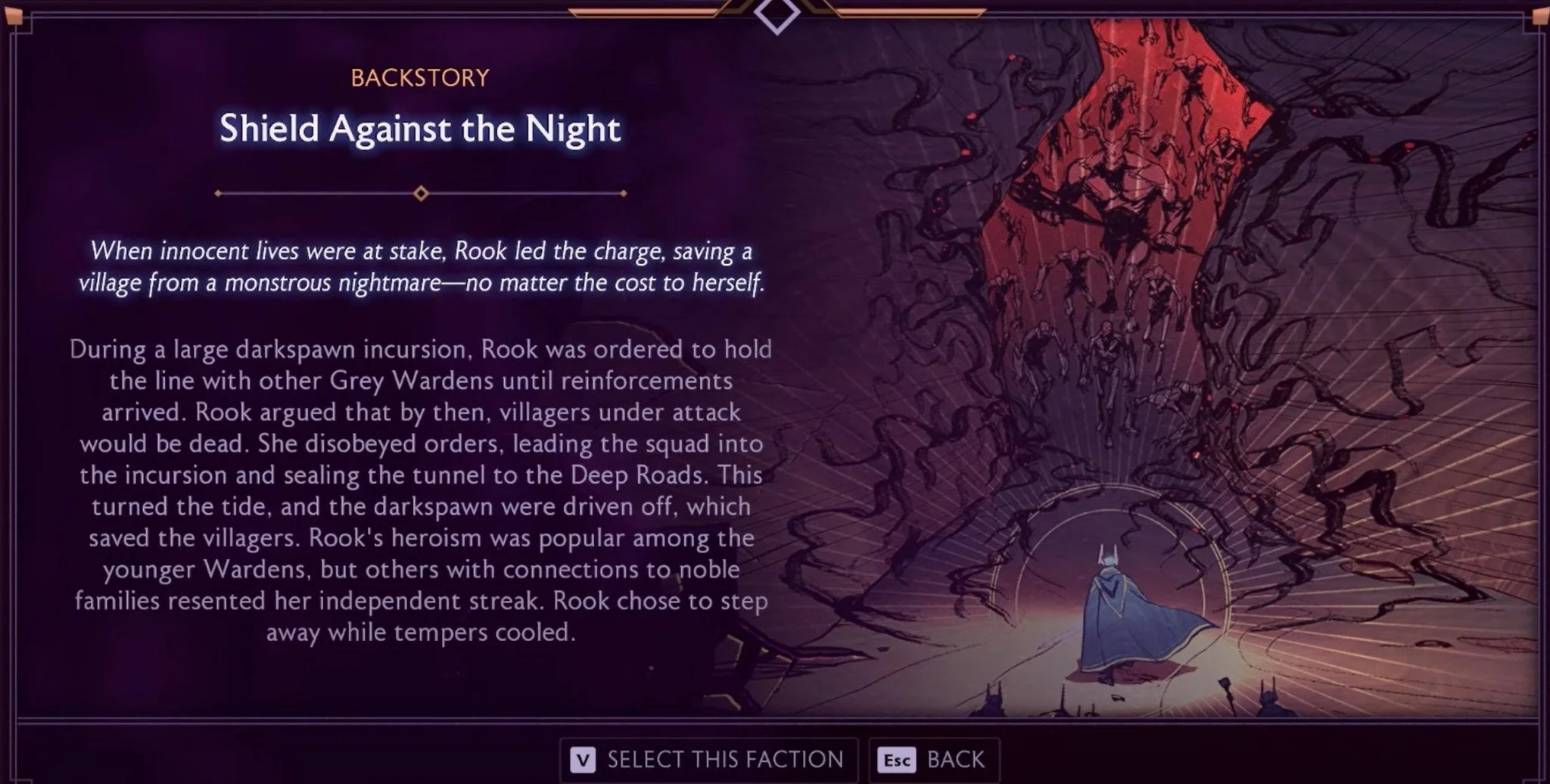
Bet that was a fun adventure. So glad I got to read a summary rather than experience it firsthand.
So when Varric is injured early on and Rook is suddenly expected to take the lead, the question becomes difficult to ignore: why Rook? Why isn’t Harding the natural leader since she knows Solas personally, worked for the Inquisition, and has been helping Varric for years? What qualifies Rook for this role instead? Why would others follow them? Why should the player feel invested in their leadership?
This is where Veilguard would have greatly benefited from origin-style prologues similar to Dragon Age: Origins. Imagine starting as a Crow, a Veil Jumper, a Shadow Dragon and building a personal connection to your faction and to Varric himself. In that structure, Varric could have taken on a role similar to Duncan: a mentor figure who recruits you and shapes your early journey. Allowing players to experience their faction firsthand and build a relationship with Varric would have grounded the story in something more personal, creating a stronger emotional connection before the main conflict even begins.
Which brings us to the central issue.
Varric’s Ending & the Missed Opportunity
Varric’s outcome is handled all wrong.
The injury he suffers during the opening confrontation with Solas doesn’t leave him bedridden. It kills him. But instead of allowing players to experience that loss, the game hides it behind a twist that isn’t revealed until the final act of the game.
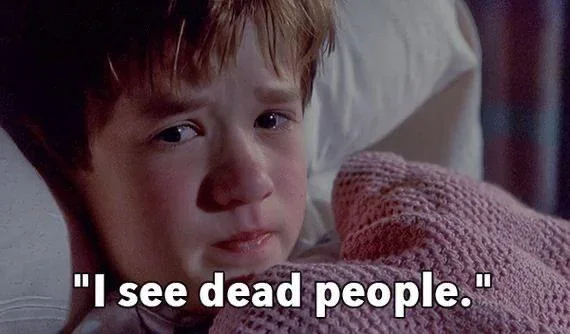
Throughout the story, Varric continues to appear, offering guidance to Rook, participating in group conversations as though nothing has changed, yet he’s never well enough to join missions. It was so awkwardly structured that early on in my first playthrough I literally said out loud, “Is this a Sixth Sense scenario? I swear, if Varric has been dead this whole time…”
Unfortunately, I was right.
In the final act, the game builds toward a twist reveal that Varric has been dead the entire time, and that these interactions are the result of Solas manipulating Rook through their psychic connection formed by blood magic. Yes, the final scene with Varric is emotional, but the twist comes at the expense of meaningful emotional authenticity. Because once you step back, the structure becomes painfully obvious. The game goes out of its way to avoid direct references to Varric from other characters, which quickly becomes noticeable. Conversations feel carefully constructed to avoid acknowledging him. Moments that should carry emotional weight feel strangely muted. Harding shows grief briefly, but then returns to her usual upbeat demeanor. The Inquisitor remains focused on redeeming Solas. Isabela maintains her usual swagger.
These are characters who have known Varric for years, yet his absence barely affects the world around them. To maintain the illusion that Varric is alive, beloved characters are not allowed the opportunity to properly address their grief over his loss. And as a result, neither is the player.
What Should Have Happened Instead
Imagine a different approach.
Instead of hiding Varric’s death, the game allows players to experience it fully. We spend time with him in a proper prologue, building that mentor relationship as Rook. We see the dynamic between them develop, only for that connection to be severed when Varric dies trying to stop Solas.
From that point forward, the story becomes something much more personal. Players are given space to grieve. Rook’s response could vary from anger, denial, or acceptance. Those choices could shape how they approach Solas. Is he a tragic figure worth saving or a villain who has gone too far?
Members of the Veilguard could then act as support systems or points of conflict, reacting to Rook’s choices and emotional state. The Inquisitor and Isabela could openly acknowledge Varric’s loss, allowing players to decide whether they seek justice, closure, or something in between. Instead of isolating Rook through awkward narrative constraints, the story could have built connection through shared loss.
Why This Change Matters
These changes would have done more than simply improve Varric’s arc; they would have strengthened Rook as a protagonist. As it stands, Rook often feels like a placeholder, delivering similar responses regardless of background or choices. But with a stronger emotional foundation tied to Varric, Rook could have felt more distinct, reactive, and personal.
Because in a series like Dragon Age, choices should matter. And when those choices lose their emotional weight, the story suffers for it. Which leads into my next article, where I’ll explore how Veilguard removed the one choice that mattered most.
Images are used under fair use for commentary and analysis. All copyrights remain with their original owners.
