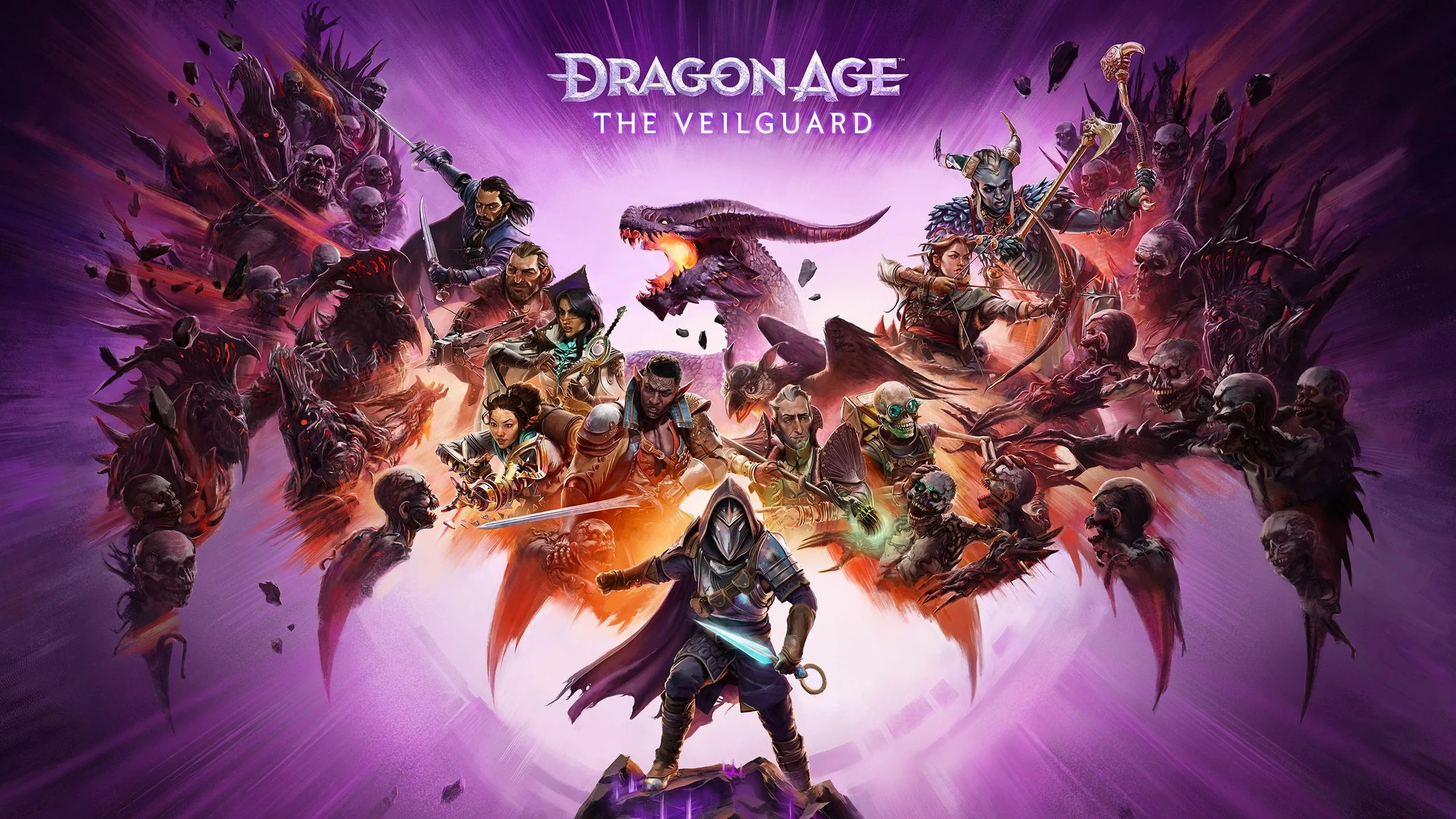
Dragon Age: The Veilguard - What It Does Well
Over the past few months, one thing has become abundantly clear: I have complicated feelings about Dragon Age: The Veilguard. The newest entry in a beloved series didn’t quite live up to the legacy of its predecessors, at least not for me. And at this point, I think it’s finally time to be honest about where I stand with it.
Before I dive in, I should probably establish my credentials. I didn’t play for a few hours and rage-quit. Over the past year and a half, I completed five playthroughs, trying out different Rooks, factions, classes, Inquisitors, and love interests. It’s the only game I’ve platinumed mainly because I was dedicated to looking for every possible reference to the previous three titles. I wanted to see everything it had to offer.
At a surface level, Veilguard isn’t a bad game. It’s a solid RPG with an accessible story and engaging combat. If it had been the first RPG I ever played, I probably would have been blown away.
But it wasn’t my first RPG.
And it certainly wasn’t my first BioWare game.
At its core, Veilguard is an entertaining game. It’s just… not a good Dragon Age game.
That said, I want to start with what it does well. Please note, this is a spoiler-free article as this will be part one of a series of analyzing The Veilguard and future articles will go deeper into exploring lore and character arcs.
Character Customization Done Right
I am the type of player who will happily spend an hour in a character creator, even if there are only five skin tones and twelve unfortunate hairstyles (four of which are bald, looking at you Inquisition).
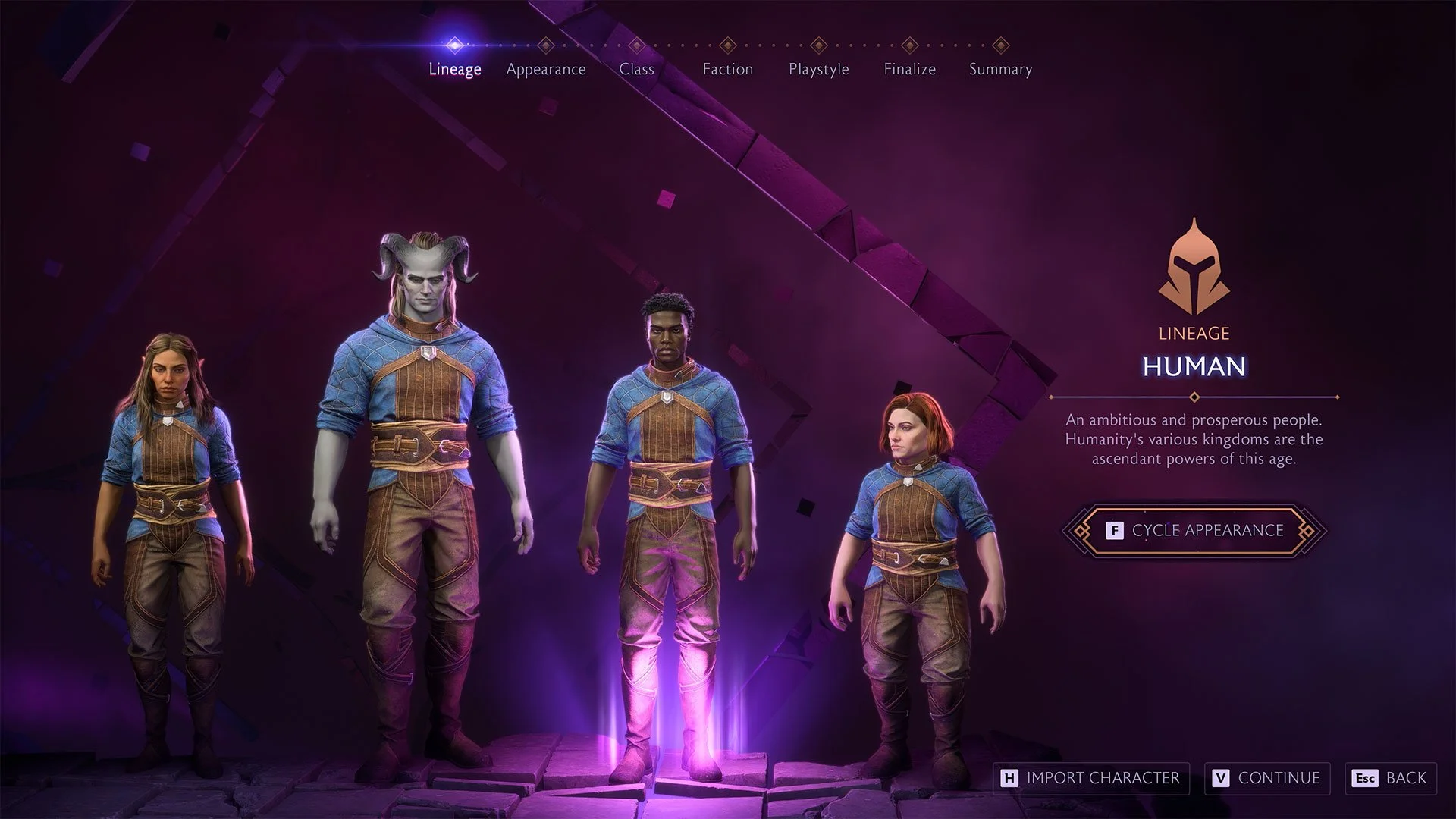
So when I say I adored Veilguard’s character customization, I mean it.
For the first time, I felt like I was truly creating the character I imagined, and not just recoloring the same standard “hero” template. My female Rooks could have curves. Real ones. Different builds. They could be powerful without being a size two. My male Rooks could be lean and lithe, broad and soft, or built like a fortress. Heights varied. Body types varied. My trans Rook could have top surgery scars.
And the hair. The glorious hair.
For years, playing a female protagonist often meant choosing from the male hair catalogue, with a couple awkward buns thrown in for variety. Baldur’s Gate 3 made strides here, but Veilguard took it further. Long hair. Braids. Natural curls. Bobs. Styles with movement. Hair that actually felt alive instead of lacquered in place.
Like Inquisition and Baldur’s Gate 3, you can also adjust your Rooks appearance mid-game, which is something I deeply appreciate. Whether it’s fixing something that looked off in gameplay lighting or roleplaying visible changes after major story events, that flexibility matters.
So yes, a high percentage of my praise for DAV is directed at its character customization. They delivered.
A Visually Stunning Thedas
In a similar vein, the art direction of this game won me over almost immediately.
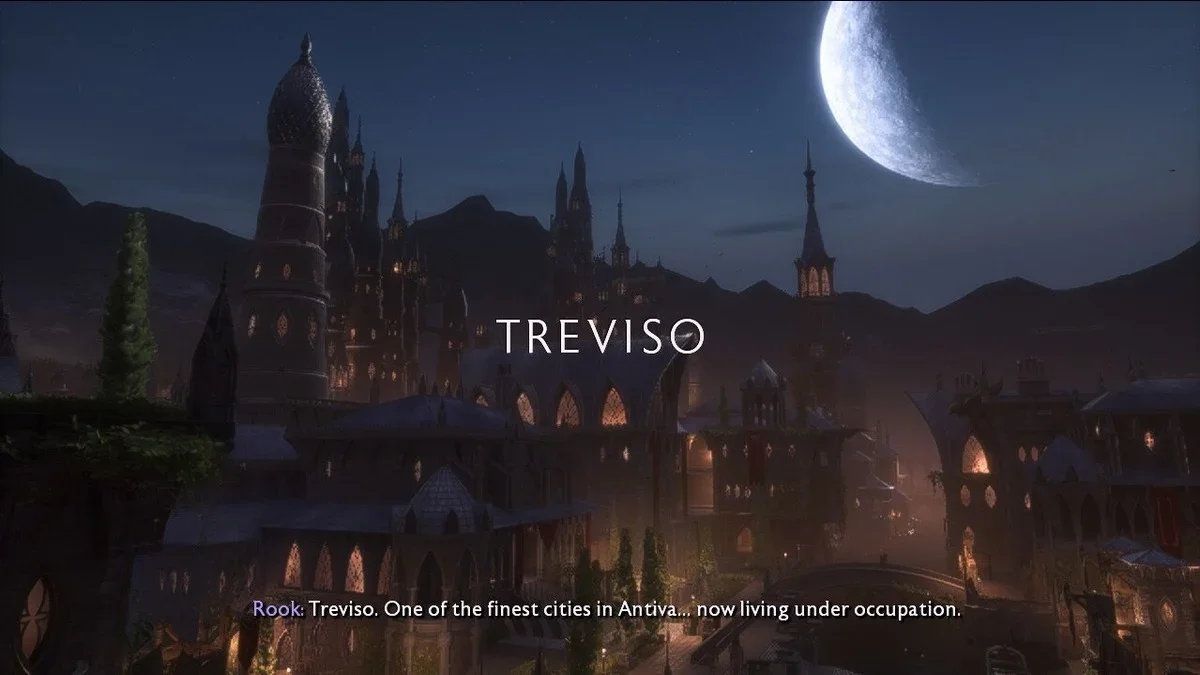
I know the stylization isn’t to everyone’s taste, but I found the environments stunning. From the worn, layered streets of Minrathous to the romantic canals of occupied Treviso to the forests of Arlathan, every region felt distinct and intentional. I regularly stopped just to rotate the camera and take it all in.
I did make some visual adjustments. The default vignette and dreamlike bloom filter didn’t work for me. Once I toned those down in the settings, the textures sharpened and the world felt closer to the visual groundedness of Inquisition.
But even with those tweaks, the environmental artists deserve real credit. I never felt like I was walking through copy-pasted dungeons with a different paint color. Each location had its own identity.
Visually, Veilguard is crafted with care.
Representation Matters, And So Does Delivery
Representation matters. That’s not up for debate.
Just as I appreciated creating a Rook that felt more like me, Veilguard expands options for gender identity, body types, and sexual orientation. There are trans and non-binary characters woven throughout the story. Players can engage in open conversations about identity.
I want to be clear: I value this inclusivity. I’m thankful the world of Thedas continues to feel diverse and expansive. My hesitation isn’t about representation itself, but rather about how some of it was delivered.
Thedas is a fantasy world with its own languages, cultures, and history. In earlier games, identity often emerged through dialogue that felt rooted in that world. In Dragon Age: Origins, characters expressed attraction naturally as relationships developed. In Dragon Age II, bisexual romance routes were common and largely accepted without overt labeling. Inquisition reintroduced character-specific preferences and included a significant trans NPC, but again, the language felt contextualized.
In earlier games, aspects of identity were often expressed without modern labels:
“I’m bisexual.”
“I’m gay.”
“I’m transgender.”
Instead, we heard descriptive lines that felt more commonplace within the world of Thedas such as:
“I prefer the company of men.”
“I am sure you are someone who draws many stares, from women and men alike. Does this bother you?”
“He would be Aqun-athloc in the Qun — born one gender, living as another. They are real men.”
The meaning was clear. The language felt consistent with how identity had previously been expressed in Dragon Age. In Veilguard, however, characters directly use modern terms like “non-binary” or “trans.” For me, that contemporary phrasing felt jarring against the established tone of the setting.
The question isn’t whether these identities belong in Thedas. They absolutely do. It’s a matter of how the language used to express them interacts with the tone and history the series has already established. When representation feels like a natural extension of a world’s culture and lore, it strengthens immersion. When it feels drawn from our modern vocabulary without adaptation, it can unintentionally break it.
For all my frustrations with Veilguard, there are areas where it genuinely shines. The customization, the visual design, the effort toward inclusivity, these are not small achievements. In my next post, I’ll dig into where the game falters for me, particularly in its writing and character development. Because while Veilguard succeeds in several important ways, it’s the heart of Dragon Age that ultimately determines whether a game endures.
And that’s where my feelings get more complicated.
Images are used under fair use for commentary and analysis. All copyrights remain with their original owners.
