
Finding Purpose and Dysfunction in The Bear
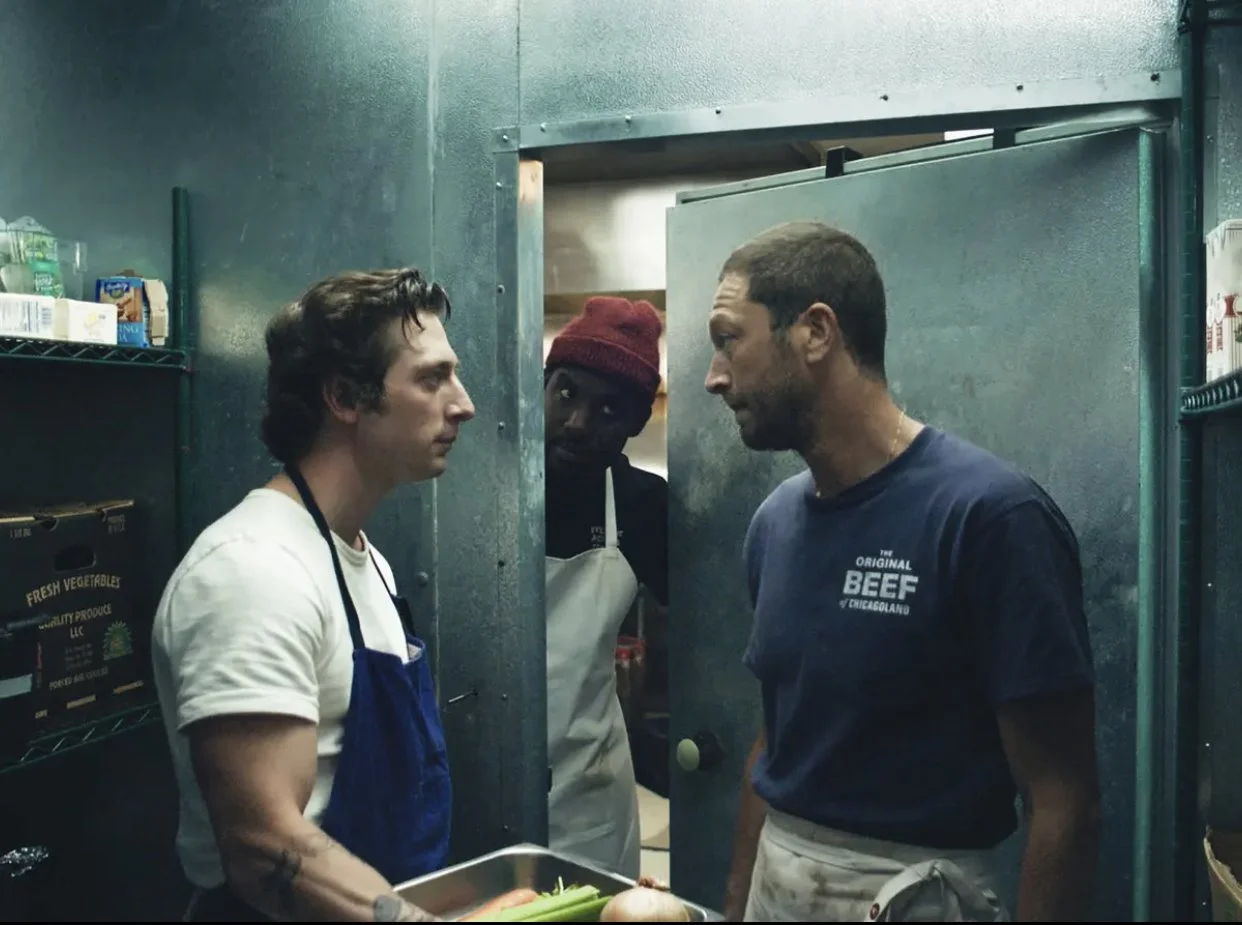
When I first watched The Bear several years ago, my literal first thought was, “Oh, they get it.” Granted, it probably doesn’t provide the best portrayal of me to admit that I saw myself reflected in this show, nor is it exactly a ringing endorsement when I tell my friends and family, “This is the best cinematic portrayal of anxiety I’ve ever seen!”
But seriously, it’s the best cinematic portrayal of anxiety…in the best way possible.
That’s not to say The Bear hasn’t had its low points over its run. Personally, I think the first season is a masterclass in storytelling, while season two is a standout follow-up. Seasons three and four…I definitely struggled with a few choices involving pacing and artistic direction. But perhaps that’s what sometimes happens when an incredible creative team is given complete freedom without someone being able to say, “Maybe this scene could be a little tighter?” We’ve seen it before with George Lucas and the CGI-heavy Star Wars prequel trilogy, Peter Jackson turning The Hobbit into three films, or Taika Waititi leaning so heavily into spectacle with Thor: Love and Thunder that the tone was ever-changing.
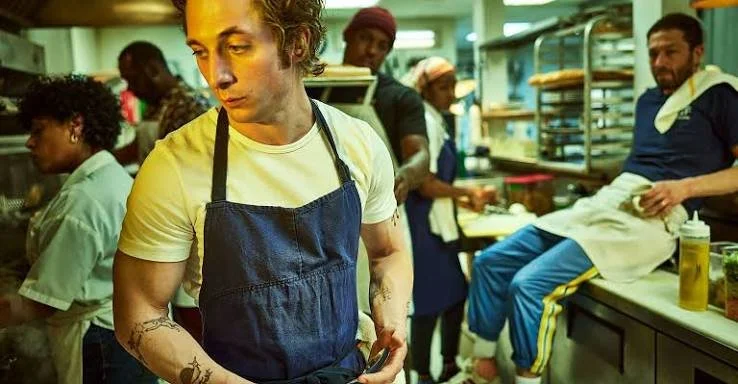
Where it all began…
If you haven’t watched The Bear, I highly recommend you do. But for the sake of brevity, the main premise follows highly accomplished chef Carmy Berzatto as he leaves the world of fine dining to run his family’s sandwich shop, The Beef, after the devasting loss of a family member. The show weaves together themes of grief, mental health, redemption, and purpose as Carmy works to escalate the family restaurant into a high-quality dining experience, dealing with a staff filled with strong-willed personalities and talent.
When Timing Matters
One nitpick I do have about The Bear is how fluid time seems to become in a show that constantly reminds us, “Every Second Counts.” In particular, I have beef with the pivotal season two episode, “Forks.”
Now let me preface this by saying that I absolutely love this episode. I love the character growth it gives Richie, who we’ve watched struggle to find his purpose as The Beef transitions into The Bear. Brash, abrasive, and fiercely loyal, Richie seems the most opposed to change, but it’s understandable. Within a relatively short period, he’s lost his best friend, watched the restaurant he helped develop disappear, and, perhaps most painfully, realizes that everyone else seems excited for the future while he feels increasingly left behind.
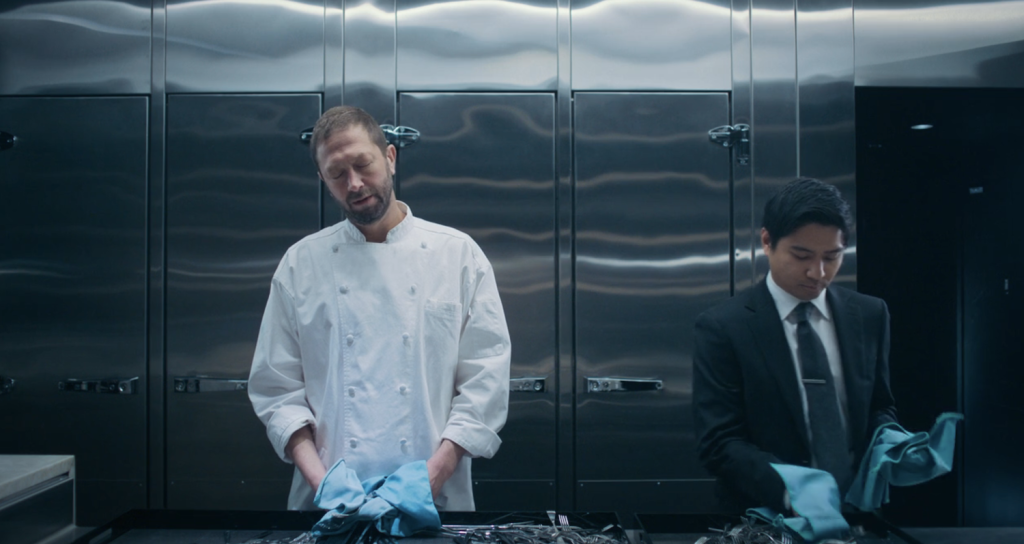
Feeling like the ultimate insult, Carmy sends Richie to stage at Ever, one of the finest restaurants in the world. Forced to spend days polishing forks, Richie initially treats the experience with open disdain, convinced the work is beneath him. Eventually, one of the staff members gives him the tough love he desperately needs, explaining that at Ever, “Every day is the Super Bowl.” Richie doesn’t have to drink the Kool-Aid, but he does have to respect the work and the people who show up for a wonderful dining experience.
From there, everything begins to click for Richie.
He starts paying attention and begins seeing the care that goes into every interaction and every tiny detail designed to make guests feel special. Whether or not every fine dining restaurant truly functions this way is up for debate. And speaking as someone who has traveled from a small town to Chicago to experience a few “fancy” restaurants myself, I can’t say I left feeling like the staff knew I existed beyond my reservation number. But The Bear would have viewers buy into the fantasy and believe differently.
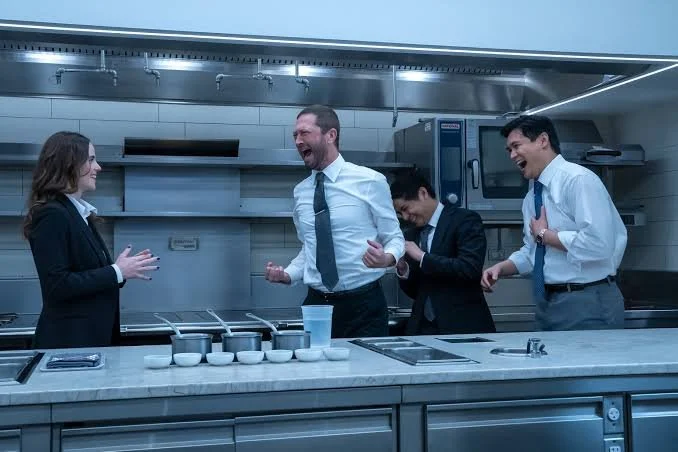
But I digress. In his remaining time at Ever, Richie bonds with the staff, observes how to make every guest feel like a VIP, and even gets a meaningful chat with the owner, Chef Terry. These interactions allow Richie to discover something about himself. His gift isn’t organization or culinary brilliance. His gift is people, something that Carmy recognized all along. Watching Richie embrace his innate talent is genuinely one of my favorite arcs in the series as he learns how to harness his skills to help elevate The Bear.
When Emotional Growth Outpaces Time
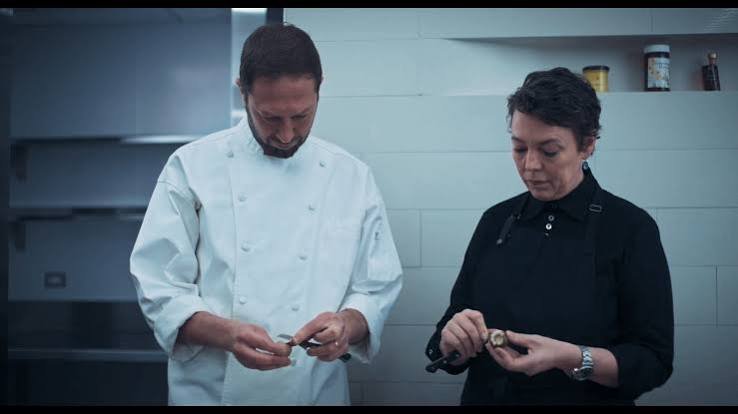
However, I think The Bear takes Richie’s growth just a little too far by the end of season three during the “funeral” service for Ever after Chef Terry decides to close the restaurant. By this point, Richie is no longer simply a former stage. For some reason, he’s present among the staff and some of the country’s top chefs to honor Chef Terry’s final service. She gives him a warm, personal acknowledgment during her farewell, he’s welcomed into the kitchen during service, and he seems to have become part of the restaurant’s extended family.
Now, I’m sorry, this is where I have to say it.
I know it’s a television show. I know it’s fiction. I know Richie is meant to be extraordinarily charismatic once he stops getting in his own way. But this is also a man who worked there for less than a week. For over half that time, he was begrudgingly polishing forks with a terrible attitude before finally embracing what Ever was trying to teach him.
“Did we just become best friends?”
I can absolutely believe Richie stayed in touch with members of the staff after his week there. I can believe they liked him. I can even believe Chef Terry regarded him fondly after seeing the change in his outlook during their four minute conversation. What I struggle to believe is that he formed such a profound, life-changing connection with her after what amounted to a single meaningful conversation.
Then again…this is also the woman who kept Adam Shapiro as her CDC, so who am I to question her judgment?
All I’m really asking for is a little more time.
If there had simply been a line mentioning that Richie continued shadowing the front of house for another few weeks, or occasionally returned to Ever after The Bear opened to continue learning, I would have bought every bit of it. The emotional payoff already works. I simply wanted the timeline to feel like it had earned the same level of weight.
And maybe that’s why this tiny detail stuck with me more than it should have. Timing is one of those invisible aspects of storytelling that most people never think about until something feels just slightly off. We naturally accept that stories condense relationships, accelerate romances, and compress months of growth into a handful of scenes. But every now and then, a story asks us to bridge just a little too much distance ourselves.
It’s something I constantly have to remind myself of while writing my own novels. I’ve lived with these characters for years. I’ve watched their friendships develop across countless drafts and revisions. But then I have to step back and remember that, within the story itself, many of them have only known one another for a matter of days. They haven’t earned years’ worth of trust simply because I know where their journey is heading. Readers need time to experience that growth alongside them.
That’s what Richie and Chef Terry reminded me of. The emotional destination worked. I just wasn’t convinced the journey had enough time to get there.
Final Thoughts
To be honest, I originally planned to write a full review of The Bear once I finished the final season. Instead, I found myself thinking less about whether the ending succeeded and more about why certain moments left an impact. And so, the more I watched, as I reached the final season, I realized I wasn’t really making notes that were worthwhile. I enjoyed certain beats and felt others tended to drag, but nothing was overwhelmingly polarizing or a standout moment. Which was fine, all things considered.
That realization became even clearer after reading the online discussions surrounding the finale. As with so many things today, conversations quickly became polarized. If you disliked the final season, you apparently “didn't understand” its artistic ambitions. If you loved it, you were accused of overlooking obvious flaws. Somewhere along the way, thoughtful discussion gave way to people trying to win arguments. Honestly, some of those comment sections made Richie and Carmy’s shouting matches seem remarkably restrained.
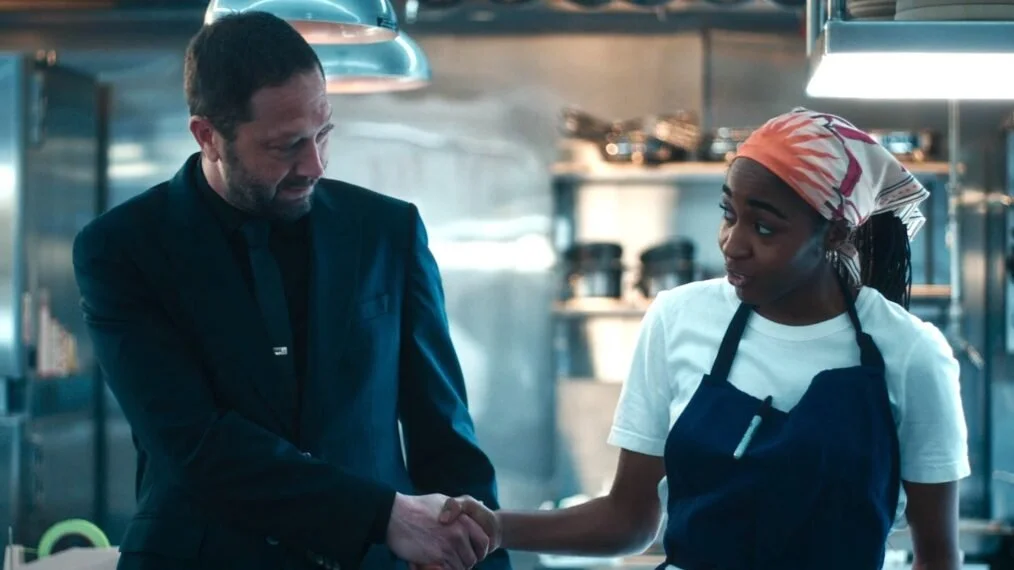
The more I write these articles—and prepare to release my own work into the world, which remains both exciting and terrifying—the less interested I become in declaring whether something is simply “good” or “bad” (I know, I know, that’s probably hard to believe if you made it through my Veilguard posts). But I do try to acknowledge what a story is trying to accomplish, what worked for me, and where I found myself wishing for just a little more.
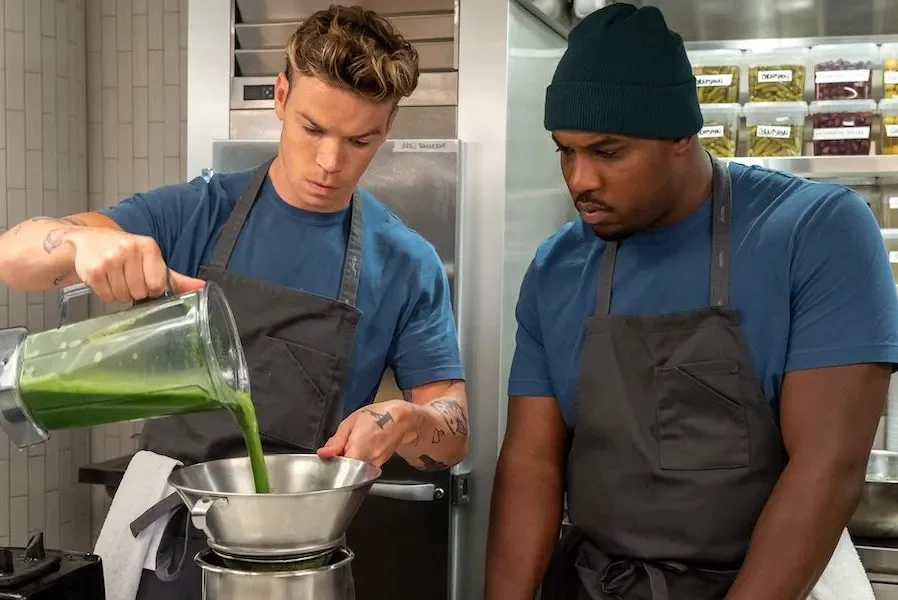
There were many things I enjoyed about The Bear’s final season. Richie and Sydney’s friendship continued to be one of the highlights of the series, showing the growth of two people capable of disagreeing, frustrating one another, and still communicating with genuine respect. While I wasn’t particularly fond of the season’s decision to stretch multiple episodes across a single day like a fine dining version of 24, I certainly wasn’t going to complain about getting more scenes with Luca, who remains one of my favorite characters (shoutout to my Will Poulter appreciation post).
Yet, I suppose it says something that as I reviewed my notes and started to write this out, what I kept returning to was Richie’s arc in earlier seasons.
For me, The Bear remains one of television’s most compelling explorations of purpose, grief, anxiety, and found family. Even when I questioned some of its storytelling choices, those questions came from a place of investment rather than disappointment. If anything, the series reminded me that great stories don’t have to be flawless to leave a lasting impression. Sometimes they’re memorable because they inspire us to think more deeply about why certain moments stay with us long after the last dish is served.
Images are used under fair use for commentary and analysis. All copyrights remain with their original owners.
