
Dispatch: Taking on the Role of a Superhero
For decades, superhero stories have dominated popular culture, spanning comics, graphic novels, animated and live-action television series, and, of course, films. Like so many others, I grew up with superheroes, imagining what it would be like to have powers of my own and the adventures that would ensue. I was never really in the camp of Marvel versus DC. I enjoyed Batman in all his iterations, but my main team of choice will always be the X-Men. No surprise there, since the premise of X-Men centers around being “gifted” while viewed as an outcast because of abilities beyond your control, yet still finding a place where you belong through an incredible found family.
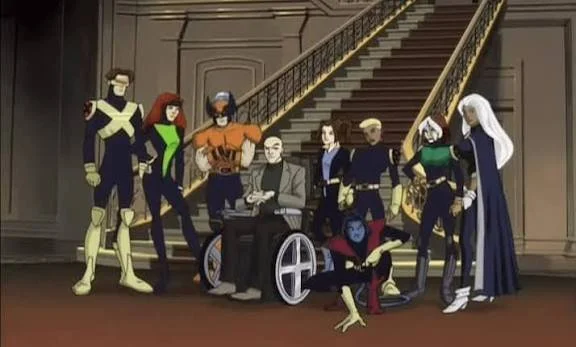
The only school I wanted to attend.
For years, all I wanted was an RPG where you could create your own mutant and inhabit the world of the X-Men. Yes, I know there have been dozens of action games featuring Marvel characters, predominantly Wolverine, but there has yet to be one where you can fully customize your character and make choices that genuinely impact the world around you. Essentially, I wanted the Baldur’s Gate 3 or Dragon Age approach to X-Men.
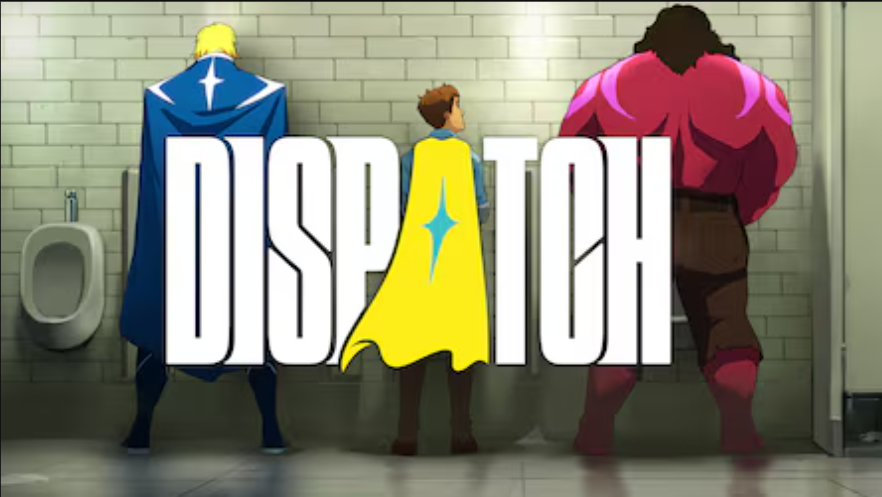
So I was interested when I heard about Dispatch, a story-driven video game that describes itself as a “superhero workplace comedy.” While you only play as a set protagonist, Robert, you have the ability to make choices throughout the game that influence both the story and your relationships with other characters—which, as we all know by now, is my favorite aspect of narrative-driven games. I became even more interested when I learned that the core team behind AdHoc Studio, including Pierre Shorette, Nick Herman, and Dennis Lenart, previously worked at Telltale Games, the studio responsible for one of my favorite narrative adventures, The Wolf Among Us.
Knowing Dispatch would follow a similar episodic structure built around player choice and consequence, I couldn’t wait to see what it had to offer.
From Superhero to Supervisor
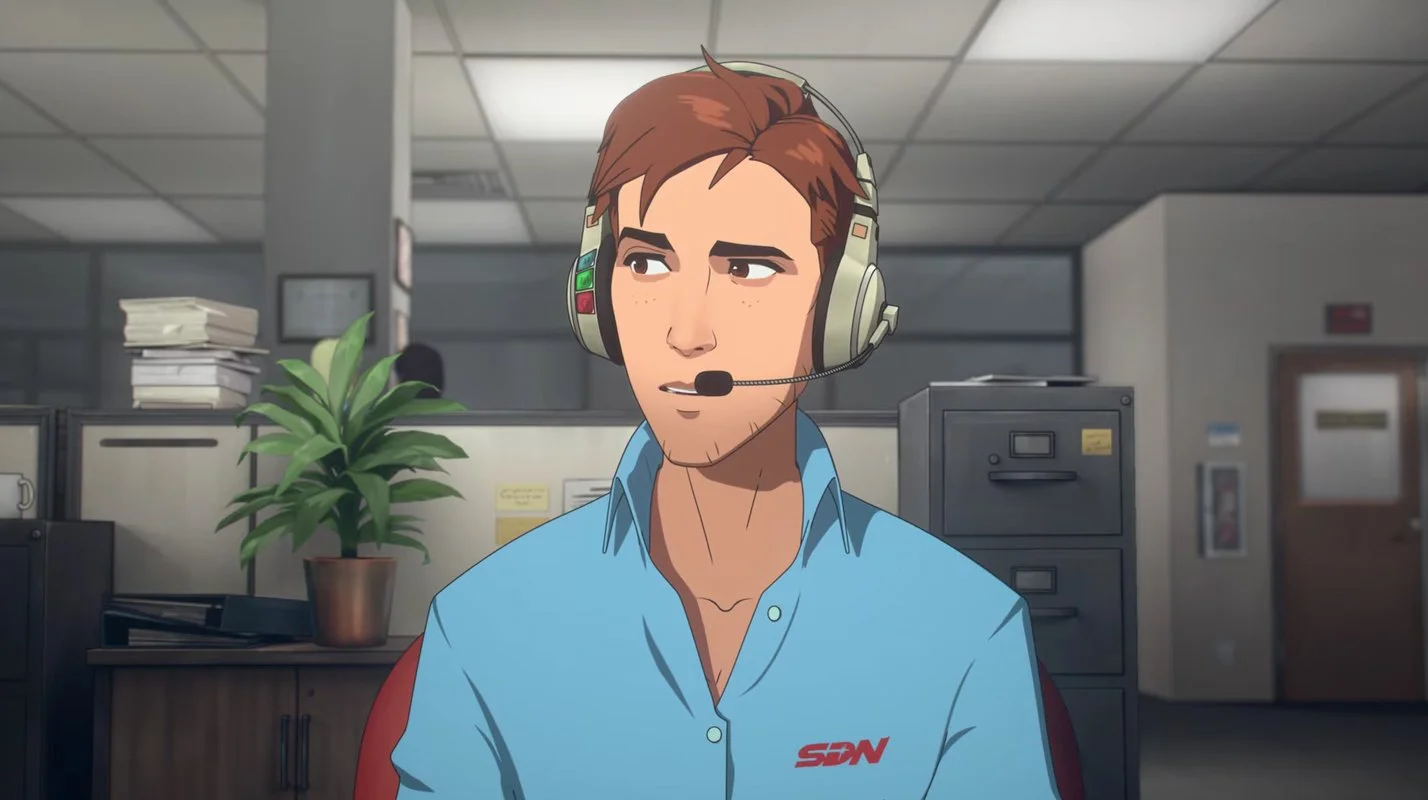
Robert channeling his best Jim from The Office impression.
The premise of Dispatch follows the story of Robert Robertson, better known as Mecha Man. Think Iron Man if Tony Stark truly lost everything and was forced to start from scratch. After suffering a crushing defeat, Robert is forced to retire his iconic suit. Instead, he’s offered an unexpected opportunity to join the Superhero Dispatch Network (SDN), taking on a desk job where he manages a team of reformed supervillains and decides which heroes are best suited to respond to emergencies across the city.
If Stray Gods felt like playing a graphic novel, Dispatch takes it a step further by feeling like an interactive animated series. To me, it was like stepping into the world of Invincible: beautifully designed, wonderfully animated, and supported by some outstanding voice performances. The world is gritty, brutal, and occasionally crass, yet it never loses its underlying sense of hope. While the game is categorized as an action-adventure title with an interactive narrative, I’d argue it sits somewhere between a visual novel and a Telltale-style adventure. There’s even an accessibility option that allows players to disable the quick-time events entirely and simply focus on the narrative choices, creating an experience that feels even more like participating in an animated television series.
Choices, Consequences, and Character
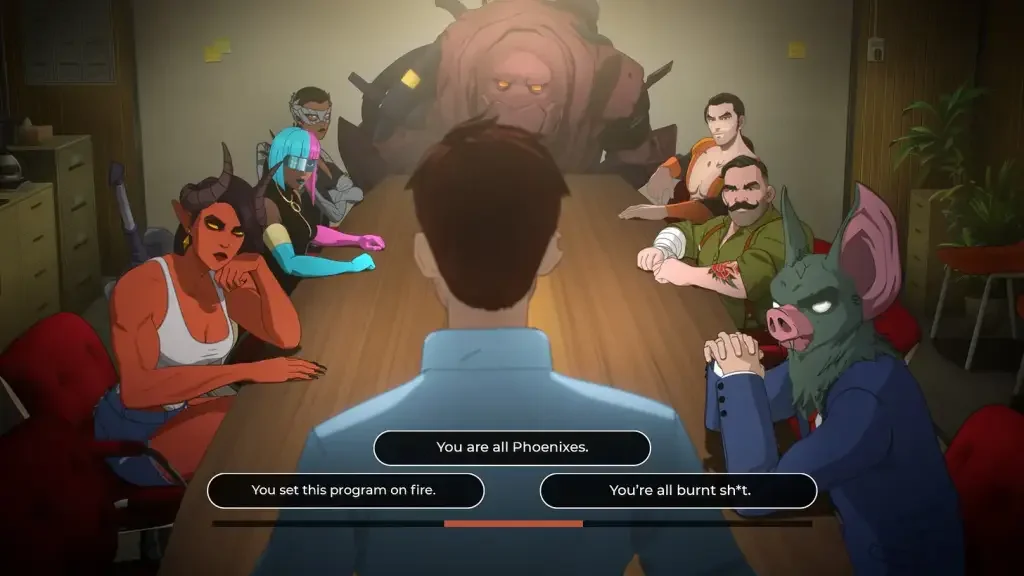
Cue the inspirational speech…
Story-wise, Dispatch has many strengths, particularly when it comes to its core cast. Robert has a dry sense of humor and makes for a begrudging leader, but he also brings a grounded humanity that balances the more eccentric personalities around him. His assigned group, the Z-Team, consists of a wonderfully eclectic collection of former supervillains, each with their own abilities, quirks, and motivations. If I had one wish, it would simply be for more scenes featuring these characters together. The interactions we do get are fantastic, but relatively limited. Most conversations with the Z-Team occur during the dispatch gameplay itself, where Robert must determine which aspiring hero is the best fit for each incoming emergency. During these strategy sessions, team members comment on, or complain about, your decisions, while players can also customize each hero’s abilities to better prepare them for future calls. Throughout it all, it was rewarding to uncover glimpses of each character’s backstory and personality, though I still found myself wishing those discoveries came through more fully realized scenes rather than dispatch conversations alone.
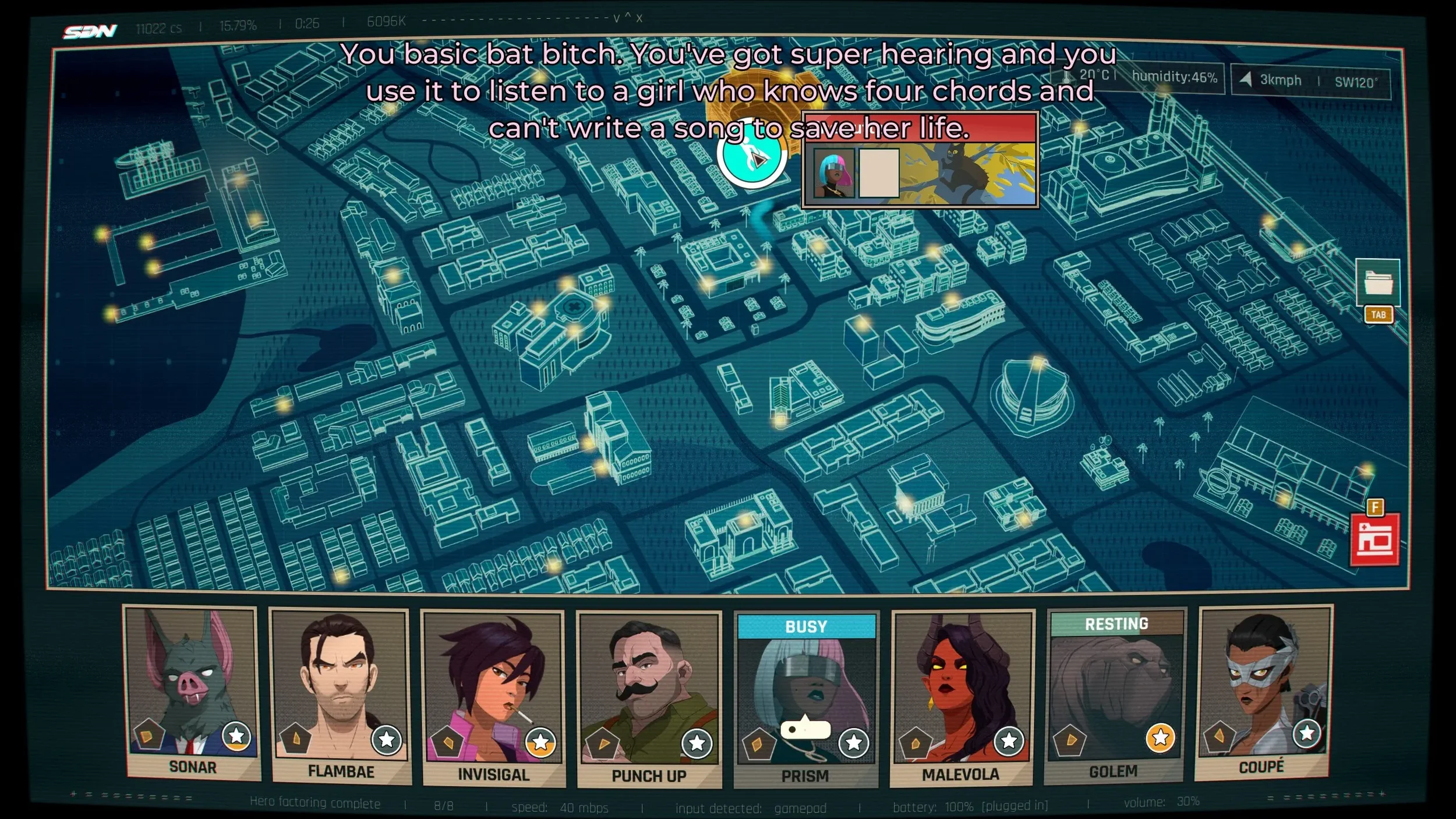
“What, we some kinda... Suicide Squad?”
One of the aspects I appreciated most was how player choice extends beyond conversations. During key dispatch sequences, Robert’s decisions determine which heroes to send, who succeeds or fails, and how relationships evolve throughout the story. Whether choosing who to trust, who to rely on under pressure, or how to guide your team, those decisions gradually create ripple effects that shape both the narrative and the characters around you.
Dispatch also wins points for including romance options for Robert. Having now completed two playthroughs and experienced both routes, I will say that one romance receives considerably more development than the other and ultimately delivers the stronger emotional payoff. Interestingly, choosing not to pursue one particular romance means Robert (and the player) misses important information that becomes relevant during the final chapter. That happened with my first playthrough and left portions of the ending feeling a bit rushed and disorienting. I also couldn’t help wishing there had been a few additional romance options. Shoutout to Flambae and Malevola, because there definitely seemed to be untapped potential there.
One area where I do think the narrative falls short is its central villain. Then again, a somewhat underdeveloped villain almost feels like a superhero trope in its own right, particularly if you’ve watched your share of Marvel films. After finishing the game, I could certainly tell you the villain's name, Shroud, and perhaps a sliver of his backstory, but I would struggle to explain his motivations beyond “he wants power.” The game repeatedly hints at a meaningful connection between Robert and Shroud, but I never felt that relationship developed enough to give their final confrontation the emotional weight it seemed to be aiming for.
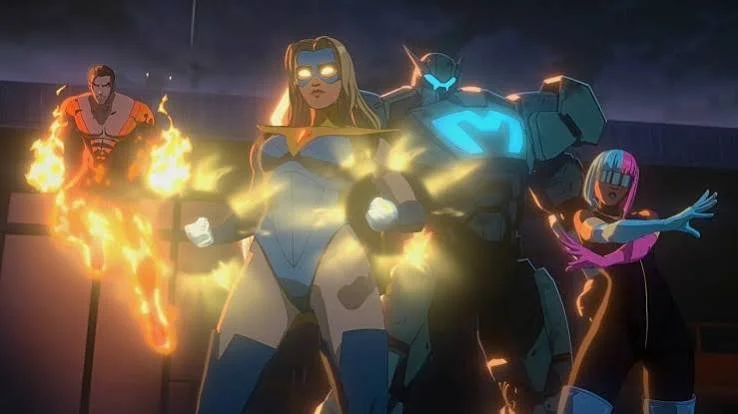
Even with that weakness, Dispatch is a narrative I would happily revisit if AdHoc Studio decides to expand the story. Across its eight playable chapters, the pacing rarely feels rushed, the cinematics and voice acting are consistently excellent, and the consequences of your choices create satisfying ripple effects that reward thoughtful decision-making. Much like Stray Gods: The Roleplaying Musical, fans of popular YouTube streamers, Critical Role, and Breaking Bad will likely recognize several familiar voices throughout the cast.
What ultimately stayed with me, however, wasn’t the spectacle of superpowers or larger-than-life battles. It was the reminder that heroism isn’t always about being the strongest person in the room. Sometimes it's about rebuilding after failure, learning to trust others, and choosing to lead when you’d rather walk away. Dispatch understands that the most compelling superhero stories aren’t simply about saving the world—they’re about the ordinary people behind the masks trying to figure out who they want to be. For someone who has spent years hoping for a truly story-driven superhero game built around meaningful choices and memorable characters, Dispatch comes remarkably close.
Images are used under fair use for commentary and analysis. All copyrights remain with their original owners.
