Split Fiction: Missing the Fiction
In order to be fully transparent, I really hesitated when it came to writing about this particular topic. Fear played a primary role in that decision because I knew my opinion was different from the vast majority. But as I’ve mentioned before, I’ve been trying to push myself out of my comfort zone and show that not loving something doesn’t mean you have to hop on the negativity train. So I want to approach this analysis thoughtfully and honestly.
Oh, and as always, minor spoilers for Split Fiction if you haven’t played yet.
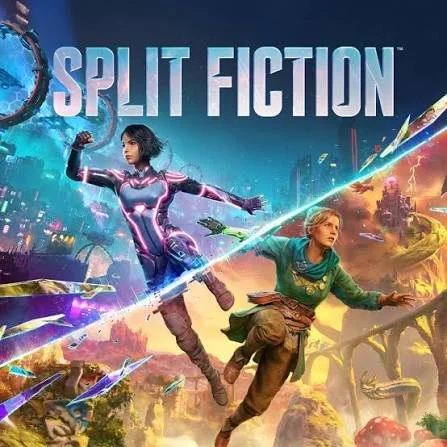
For those who don’t know, Split Fiction is a cooperative video game by Hazelight Studios. Players take on the roles of Mio and Zoe and step into a world shaped entirely by their own stories and imaginations. The main premise follows Mio and Zoe, two writers wishing to publish their debut novels with Rader Publishing who are given the opportunity of a lifetime, which apparently involves not reading any of the fine print.
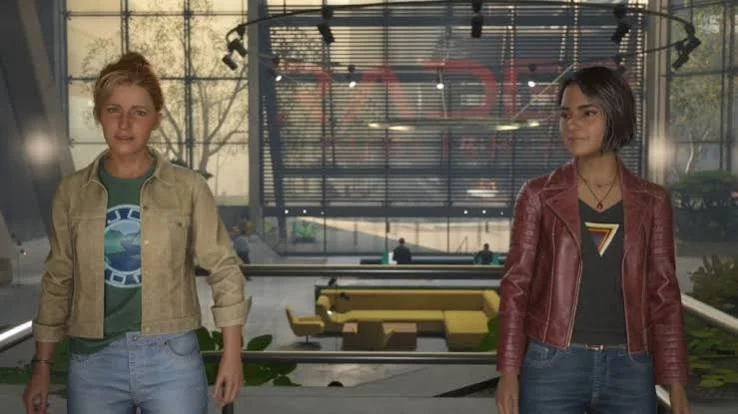
The opportunity? Hook yourselves up to a machine ripped right out of The Matrix and bring your story to life, literally. Yet plans go awry when Mio has second thoughts about the ominous-looking machine. And rather than letting her sign an NDA and leave, Rader Publishing employees think the best tactic is to physically wrestle her into the machine, causing her to accidentally fall into Zoe’s mechanism.
Fictional worlds collide! Mio’s writing is science fiction while Zoe’s is fantasy. How will these two ever get along?
High Expectations
When I first heard about this game, I was really excited. It seemed to check all my boxes. For one, it looked like a merging of my two favorite game franchises: Mass Effect and Dragon Age. What could be better? Second, it was literally about the effort it takes to create a story. And third, I was already a fan of Hazelight Studios because of their previous game, though probably not the one you expect.
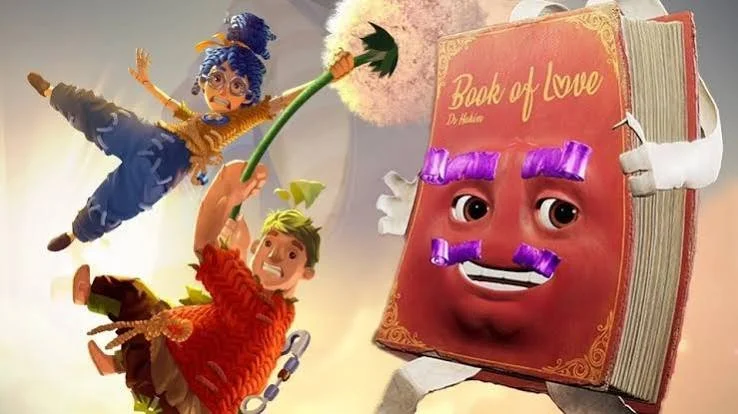
I know It Takes Two is considered the definitive Hazelight game that people love. And since I already said I’m not a fan of Split Fiction, it probably isn’t that surprising that I don’t like It Takes Two. Full disclosure: I did not finish It Takes Two. After several attempts and frustrating hours, my friend and I called it and decided it was not for us. And this was after completing a year-long campaign of BG3 online.
With It Takes Two (and Split Fiction), my main issues derive from regular complaints I have about video games that cause me to lose interest. If I don’t care about the characters or the central conflict, I don’t get invested. And I could not be less invested in Cody and May’s plight in It Takes Two because I didn’t find either character endearing, and gracious was that Book of Love annoying.
Now, I’m not saying every character must be perfectly candid and charming to root for them, but when I’m already annoyed by the premise of the game, pairing that with tedious mini-games and challenges within each world does not make a great combination. And unfortunately, the structure of Split Fiction is rather similar. The game constantly introduces another setting, another mechanic, or another spectacle before I’ve had much opportunity to become emotionally invested in the one I just left.
Looking for the Heart
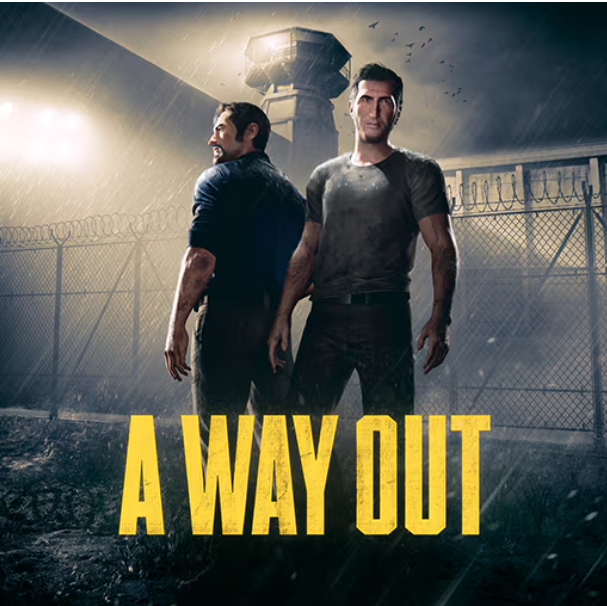
What I was hoping to see from Hazelight Studios was a return to the heart found in the game A Way Out. This story-driven game follows Leo and Vincent as they work together to escape prison and go after the man who put them there. A Way Out has amazing character beats and tense sequences that pull you into the world and the central conflict. More importantly, the gameplay and story feel connected. The situations the characters find themselves in aren't simply opportunities to introduce another fun mechanic; they help develop the relationship between Leo and Vincent and give the player a reason to care about what happens next.
And it features one of my favorite game aspects: choices. While not on the same level as BioWare, you’re still able to inhabit the characters and make decisions within the story that either resolve an issue or make it even more challenging. Those choices may not completely transform the narrative, but they give you another opportunity to engage with the characters and feel like you're participating in their story rather than simply moving through it.
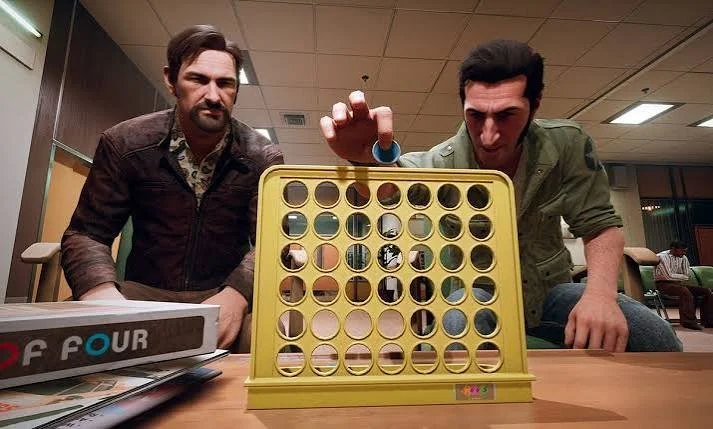
Whereas A Way Out encouraged players to slow down and discover, Split Fiction and It Takes Two seem intent on rushing players forward to the next set piece, puzzle, or action sequence. There is always something new to see, and from a gameplay perspective, that variety can be impressive. But from a storytelling perspective, I found myself wishing the game would occasionally stop and let me become invested in what was already there.
All Style, No Substance
Since Split Fiction was literally set in the world of storytelling, I hoped that Hazelight would take more direction from A Way Out rather than It Takes Two. And in a way, it does, but not enough to make a real impression.
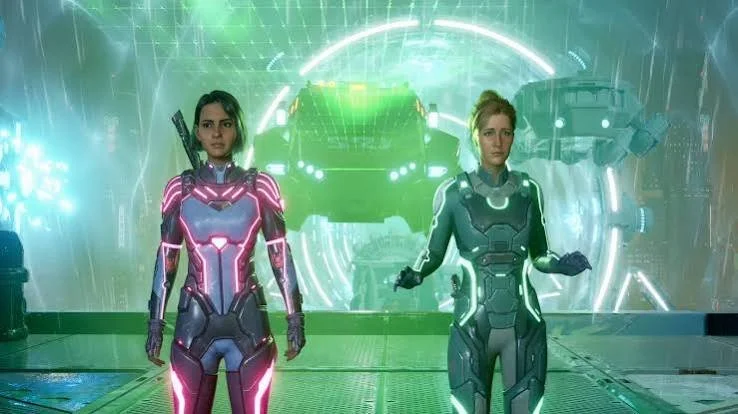
Mio and Zoe don’t feel like fleshed-out characters, seeming more like caricatures of “sci-fi is boring” and “fantasy is pretentious.” Yes, I understand that the purpose of the game is to help them overcome their differences and work together, but everything seems very surface-level and shallow compared to the writing and character development portrayed in A Way Out. Their conflict gives the game a reason to put these two very different writers together, but I never felt like their relationship developed enough throughout the earlier portions of the game for me to become particularly invested in whether they would overcome those differences.
The worlds we explore from their stories are rich in detail and look cinematically stunning, but that’s pretty much it. The actual “storylines” we follow with the characters had me constantly wondering, “This is what Rader Publishing was willing to risk everything over?”
More than once, I was in awe over how impressive the setting was, but then I’d try to piece together what the actual story was for the scenario our characters had been placed in, and it wasn’t very compelling. That became the recurring problem for me: the game kept giving me things to look at, things to do, and places to explore, but not enough reasons to emotionally care about them. Mio’s character unfortunately suffers the most from this, while Zoe at least has a chance to explore more of the personal connections to the stories she creates in her fantasy worlds.
Sparks of Beauty
Despite my disappointment in Split Fiction, I do have to acknowledge what the game does well. What it lacks in story and believable dialogue, it makes up for with beautiful level design and atmosphere. There are engaging puzzles and challenges that require both players to be actively involved in solving them. I do understand why so many people love this type of game for its playstyle. I was just hoping to love it for its story.
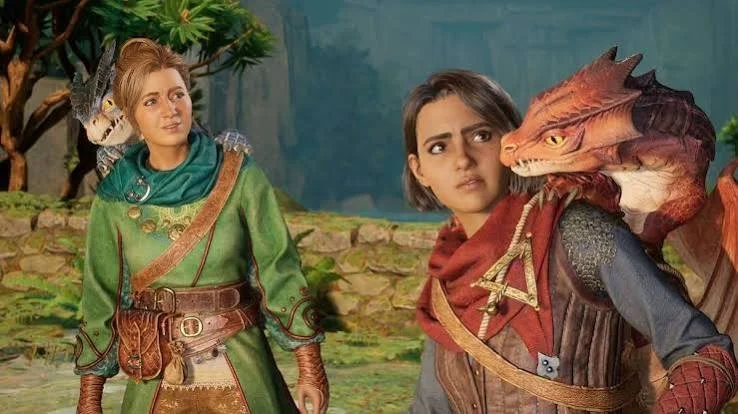
Certain sections of the game do seem to drag. My friend and I both wished that, rather than hopping from one story idea to the next, each sci-fi and fantasy segment followed a continuous story or plot thread throughout. Zoe in particular had truly gorgeous levels involving giants and dragons that I wished had contained a full story, though the dragon level at least included a narrative arc. Plus, it’s me; I’m always going to get attached if you give me a creature to care for.
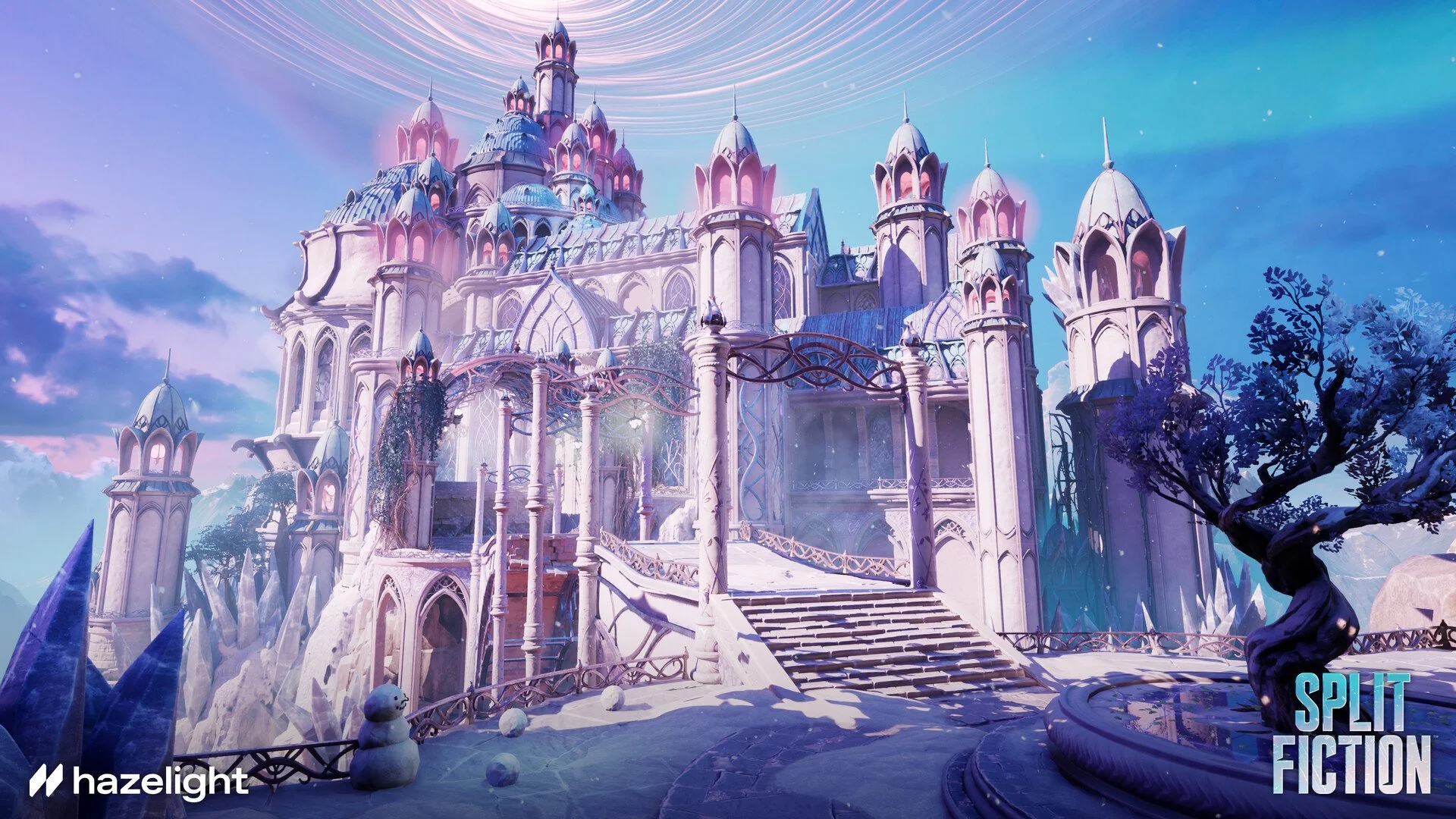
I mentioned before that I went into Split Fiction wanting a mash-up of Mass Effect and Dragon Age. There was even a fantasy level where we entered a new section and I said to my friend, “This is literally like walking into Dragon Age: The Veilguard.” Turns out, I wasn’t far off because, in the credits, BioWare gets a special acknowledgment, mainly for contributions to animation and concept art direction. So there were hints there. I simply wished they had reached out to the writing department as well. After all, the visual design was already giving me exactly the kind of fantasy and science fiction worlds I had hoped to see; I just wanted the stories within those worlds to leave the same impression.
Split Conclusions
If I had to rank Hazelight games, Split Fiction would be a far second behind A Way Out. There are aspects of the game that I did appreciate, including fun Easter eggs to previous games. While I do see the appeal, I cannot understand why the overall story is lauded (which probably doesn’t bode well for me as a debut author).
While character development does slowly occur for Mio and Zoe as they navigate the digital portrayal of their stories brought to life, a lot of the emotional impact doesn’t hit until the final act of the story, which is unfortunate because there’s so much potential for what this game could have explored. I think that’s ultimately what frustrated me the most. The premise gave Hazelight so many opportunities to explore the relationship between these two writers, the stories they create, and the reasons those stories matter to them. Instead, I often felt like I was being shown the possibilities of those ideas without being given enough time to actually explore them.
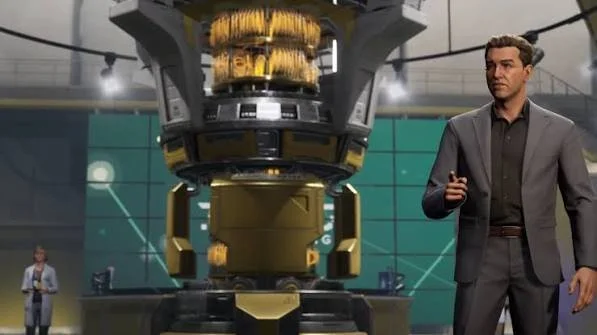
Speaking of potential, I haven’t even mentioned the game’s primary antagonist, J.D. Rader, the founder of Rader Publishing who seeks to use this high-tech machinery to steal unpublished books and sell them as his own. And wow, does he make poor decisions with that mindset. Not only is he cartoonishly evil, but the fact that this man is sitting on what has to be multi-billion-dollar technology that can literally allow you to travel into the depths of your inner consciousness, and his grand plan is to use it… to steal half-baked story ideas?
This technology has so much potential for the medical and mental health field alone. People could literally go into therapy sessions and confront their fears or innermost demons, healing past wounds with a sense of accomplishment. Heck, they could even have the opportunity to act out their dreams. Not to mention the terrifying repercussions this tech could have if governments or the military got their hands on it. But no, it is crucial that this tech be used to create stories.
But I digress and, as usual, overanalyze every aspect of a story. For me, Split Fiction is a beautiful game with fun mechanics and an interesting premise that fell flat.
Images are used under fair use for commentary and analysis. All copyrights remain with their original owners.
