
How Storytelling Turned Me Into a Gamer
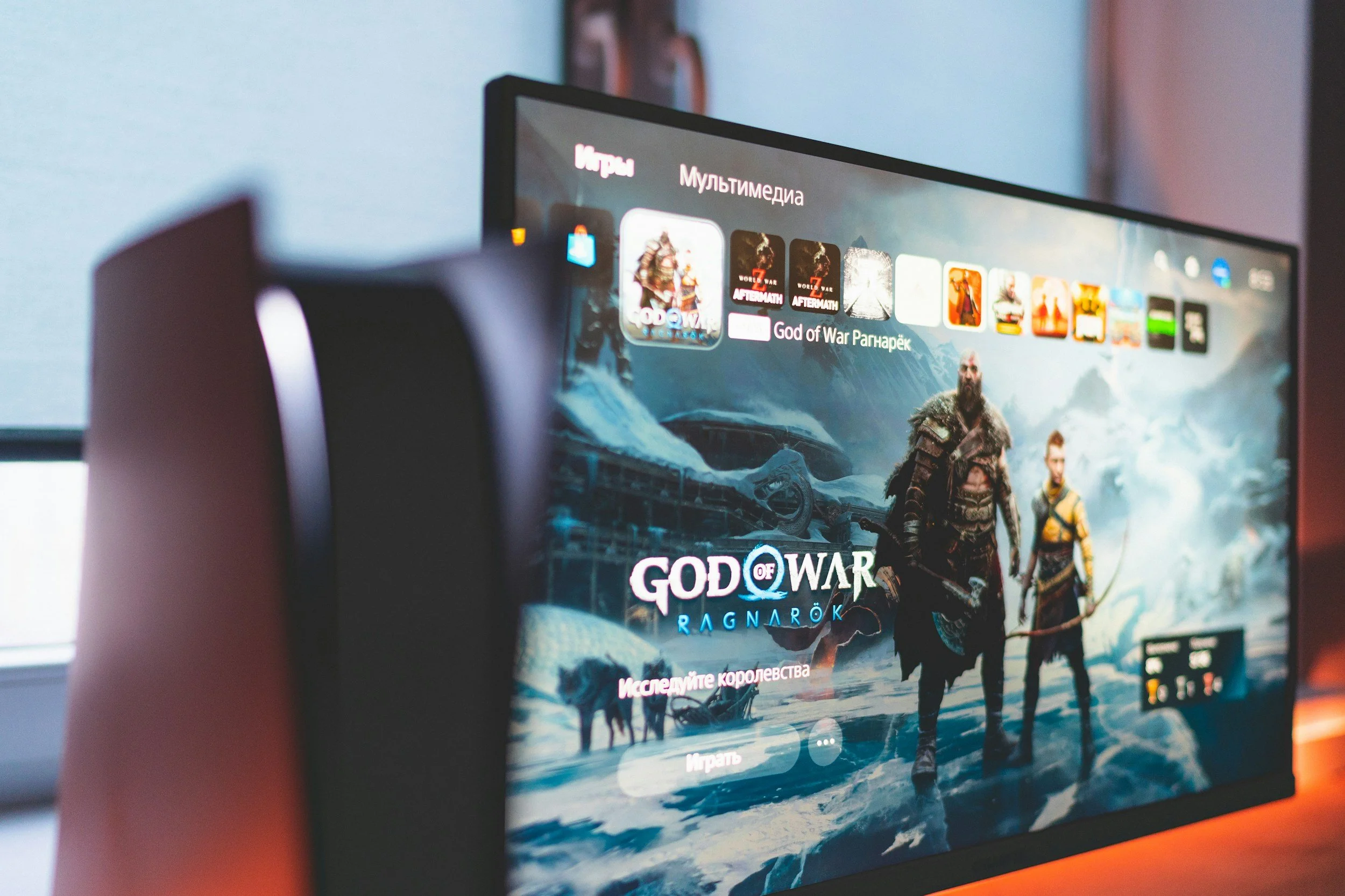
The first time a friend introduced me to someone as “a gamer,” I was completely shocked. I definitely never saw myself that way. I felt like an imposter.
“No, you don’t understand,” I remember thinking. “I just casually play video games. I’m not a real gamer.”
But as time passed, I began to realize that I was wrong. I am a gamer. I’ve cultivated a collection of games I love and rave about. I also spend far too much time searching for that perfect story-driven RPG, hoping that I somehow missed one during the last ten years of searching.
What I’ve Always Wanted From Games
For me, in order to become invested in a game, there has to be a reason for me to care. Don’t just drop me into a war zone and tell me to shoot the enemy. I need compelling backstory, character motivation, story development. And I’ll admit it, romance is always a welcome bonus (something I wish more video game developers would take note of).
As a child, I was a casual gamer at best. I spent most of my time watching my brother play, offering suggestions that I’m sure were oh so helpful. But even back then, I remember wishing for more.
I wanted more interaction between Mario and Peach. Were they a couple or merely friends? Why didn’t the game explain this to young me? I also desperately wanted to play Kingdom Hearts because they featured characters and stories I already loved. Alas, we were an Xbox and Nintendo family, so my Disney/Final Fantasy adventures were not meant to be.
Searching for a Game With Meaning
It wasn’t until after college that I finally treated myself to a PlayStation. I bought the Kingdom Hearts games, fulfilled a childhood wish, and dove headfirst into some incredibly detailed and unique lore.
From there, a friend recommended Skyrim. It was fun in parts, the world was great for exploration, but the characters and NPCs felt so bland. I kept wanting more interactions with my chosen guild. I wanted real conversations. I wanted relationships. (Yes, I wanted to romance Brynjolf.) Innocent me, completely unaware that Dragon Age already existed, offering everything I was looking for and more.
Frustrated, I stopped playing for a couple of years. Until one summer, I decided I was going to find a game with meaning. A great story. A game that made owning a PlayStation worth the purchase.
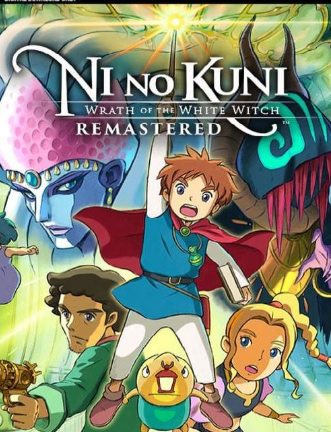
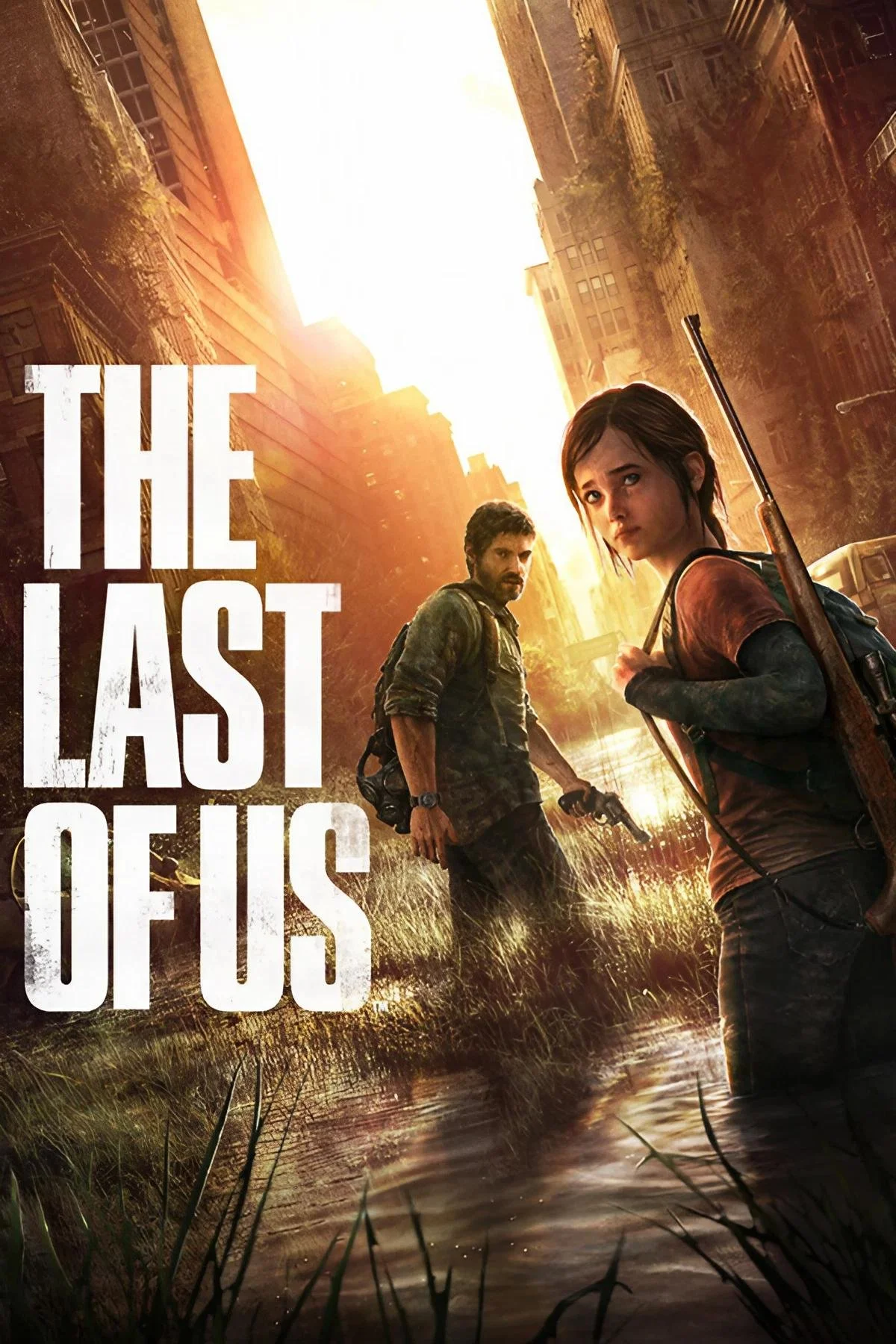
The internet presented me with two contenders: The Last of Us or Ni no Kuni: Wrath of the White Witch.
Those familiar with my previous posts might think, “That’s an easy choice. June doesn’t like horror or pointless violence. She loves The Hobbit and The Lord of the Rings. Ni no Kuni is the obvious pick.”
And you’ d be absolutely right. Which is why it’s absolutely wild that I chose The Last of Us.
At a glance, it looked like everything I wanted to avoid: a shooter, zombies, jump scares. But reviews and message boards promised it would be something more if you gave the story a chance.
When Games Became Something More
I honestly think my creative life might have taken a very different trajectory if I had chosen differently. I probably wouldn’t be gushing about Dragon Age all the time. I’d likely be more immersed in Animal Crossing and Studio Ghibli worlds.
Don’t get me wrong, I love those films, especially Spirited Away and Howl’s Moving Castle. But clearly, my blog isn’t filled with deep analysis of them. Ni no Kuni has remained on my “to-play” list all these years, so maybe I’ll get to it someday. Perhaps next year I’ll be writing about Studio Ghibli every chance I get.
But I did play The Last of Us. I played with a light on and my dog right beside me for comfort. (The sounds of those Clickers still haunt me.) But I played it.
The reviews weren’t wrong. I was completely absorbed by the emotional depth of the story from the very first scene to its final moments. This game showed me what games could be: action-driven, emotionally resonant, filled with flawed yet relatable characters, and scenes that cut straight to the core.
Finding My Home in Story-Driven RPGs
I loved it and immediately wanted more.
That search led me to the Mass Effect series, which posed a thrilling question: What if your choices actually mattered? What if relationships developed over time? What if romance wasn’t a one-off dialogue choice, but something with real payoff across an entire series?
My inner child, armed with a shelf full of Choose Your Own Adventure books, could not have been more excited. And so, I entered the world of BioWare and was instantly hooked. (Except for the Citadel in Mass Effect 1. I got lost. Repeatedly. Plus a few times while driving the Mako.)
While Mass Effect hasn’t received as much attention on my blog as Dragon Age, it will have its time. Ironically, I avoided Dragon Age for years because I thought, “There’s no way it could ever top Mass Effect.” Eventually, a sale on Dragon Age: Inquisition changed my mind. And well, you see where it brought me.
Redefining What It Means to Be a Gamer
Over time, I came to accept my “gamer” identity and learned a few simple truths along the way. There’s no shame in playing on a lower difficulty if it makes the experience more enjoyable. What do I have to prove? Being a gamer doesn’t mean platinuming every game you touch. In fact, I’ve only platinumed one game (more on that later).
To be a gamer simply means finding the games you love.
For some, that’s constant combat and conquest. For others, it’s open-world exploration, puzzles, or cozy farming simulations. For me, it’s games where the stories have emotional depth, the characters feel fully realized, and where choices matter.
So whether it’s on your phone, tablet, computer, or console, I hope you find an interactive story experience that speaks to you.
Images used are for commentary, review, and discussion purposes under fair use. All rights belong to their respective owners.
